Avoiding the Top 10 Mistakes People Make Before Filing Insurance Claims

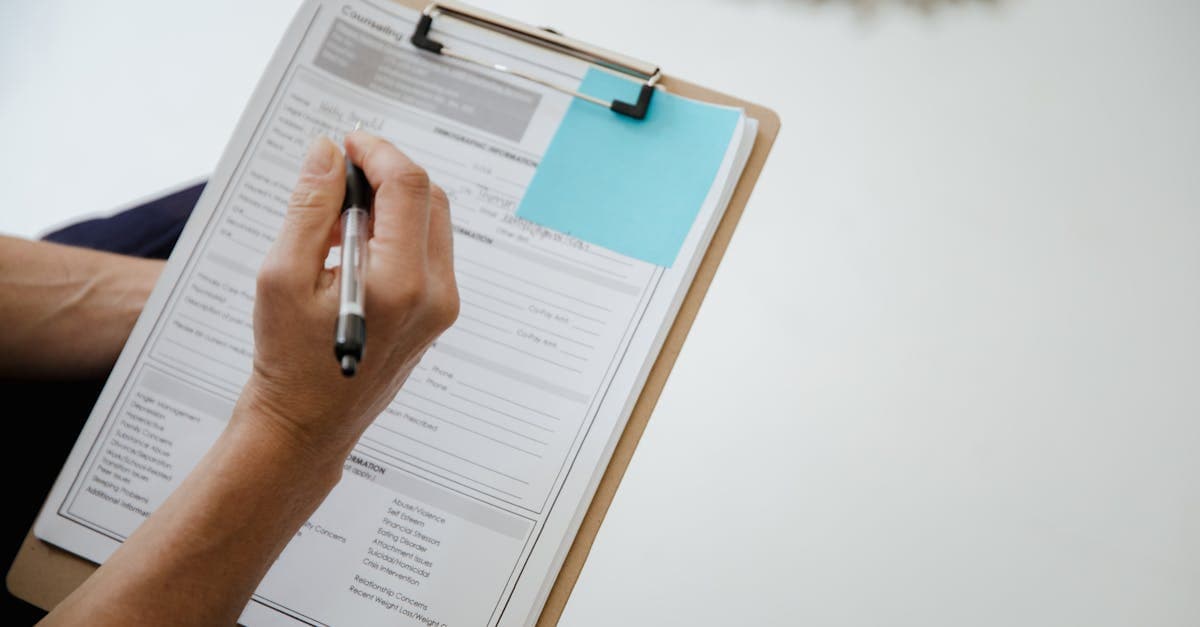
Here are the essential pre-claim steps in sixty seconds: ensure safety first, then make temporary repairs to prevent further damage. Photograph and video all damage from multiple angles before cleaning anything up. Review your policy's declarations page for your deductible amount and coverage limits. Estimate whether the damage exceeds your deductible by enough to justify filing.
Now here is why each step matters. Temporary repairs are not just smart — your policy requires them. If you let a broken window stay open in the rain and water damage spreads, your insurer can reduce your settlement for the additional preventable damage.
Documentation is your claim's foundation. The adjuster will inspect your property, but their inspection happens days or weeks after the damage. Your photos and videos capture the immediate aftermath when evidence is freshest and most compelling.
Your deductible determines whether filing makes financial sense. If your deductible is $2,500 and total damage is $3,000, your insurance would pay $500 — but the claim on your record could increase premiums by hundreds of dollars per year for three to five years. That math does not work.
This guide covers every preparation step in detail so you enter the claims process informed, documented, and positioned for the best possible outcome.
Making Temporary Repairs Before Filing: Your Duty to Mitigate
This brings us to a critical distinction. Your insurance policy requires you to take reasonable steps to prevent further damage after a loss. This duty to mitigate means you should make temporary repairs — but understanding the difference between temporary mitigation and premature permanent repair is critical.
What temporary repairs include: Covering broken windows with plywood or plastic sheeting. Placing tarps over damaged roof sections. Extracting standing water and running fans or dehumidifiers. Turning off water to a burst pipe. Moving undamaged belongings away from affected areas. These actions prevent additional damage without altering the original damage evidence.
What to avoid before the adjuster visit: Do not replace flooring, repair drywall, repaint, or make any permanent repairs before the adjuster inspects. Permanent repairs remove the evidence the adjuster needs to assess damage accurately. If you must make permanent repairs for safety reasons, document the damage extensively with photos and video first.
Document your mitigation efforts: Photograph the temporary repairs you make. Save receipts for materials like tarps, plywood, plastic sheeting, and equipment rental. Keep a log of time spent on mitigation. These costs are typically reimbursable as part of your claim.
Emergency services are appropriate: Calling an emergency plumber to stop a water leak, an emergency board-up service to secure broken windows, or a water extraction company to prevent mold are all appropriate pre-claim actions. These services prevent further damage and their costs are generally covered.
Save all receipts: Every dollar you spend on temporary repairs and mitigation should be documented with receipts. These expenses are reimbursable above and beyond your damage claim in most policies. Keep receipts organized and clearly labeled.
Communicate with your insurer about urgent repairs: If permanent repairs cannot wait — such as a furnace replacement in winter — contact your insurer before proceeding. Get verbal approval and document the conversation. Then photograph the damaged item extensively before it is removed or repaired.
Preparing for the Insurance Adjuster's Visit
The evidence is clear. The adjuster inspection is the pivotal moment in your claim process. How well you prepare for this visit directly influences the accuracy and completeness of the damage assessment — and ultimately your settlement amount. This preparation is preparing every ingredient of your claim — photos, receipts, policy details, and repair estimates — before you turn on the heat.
Make all damage accessible: Clear debris and belongings from damaged areas so the adjuster can inspect thoroughly. Unlock gates, clear paths to exterior damage, and ensure access to attics, crawl spaces, and basements where damage may extend.
Have your documentation ready: Organize your photos, videos, damage inventory, receipts, and repair estimates in a folder or binder the adjuster can review. A well-organized presentation signals that you are a prepared and credible policyholder.
Walk the property before the adjuster arrives: Do a pre-inspection walkthrough to identify all damage you want the adjuster to see. Make a written list so you do not forget to point out anything during the actual inspection. Hidden damage and secondary effects are easy to miss.
Be present during the inspection: Always be present when the adjuster inspects your property. Walk with them, point out damage they might miss, and ask questions about their assessment. Your presence ensures a more thorough inspection.
Take notes during the inspection: Document what the adjuster says, what they photograph, and what they measure. Note any areas they skip or damage they seem to undercount. These notes are valuable if you need to dispute the assessment later.
Ask about next steps: Before the adjuster leaves, ask about the timeline for receiving their report, how to submit additional documentation if you find more damage, and who to contact with questions. Understanding the post-inspection process reduces uncertainty and helps you follow up appropriately.
Making Temporary Repairs Before Filing: Your Duty to Mitigate
This brings us to a critical distinction. Your insurance policy requires you to take reasonable steps to prevent further damage after a loss. This duty to mitigate means you should make temporary repairs — but understanding the difference between temporary mitigation and premature permanent repair is critical.
What temporary repairs include: Covering broken windows with plywood or plastic sheeting. Placing tarps over damaged roof sections. Extracting standing water and running fans or dehumidifiers. Turning off water to a burst pipe. Moving undamaged belongings away from affected areas. These actions prevent additional damage without altering the original damage evidence.
What to avoid before the adjuster visit: Do not replace flooring, repair drywall, repaint, or make any permanent repairs before the adjuster inspects. Permanent repairs remove the evidence the adjuster needs to assess damage accurately. If you must make permanent repairs for safety reasons, document the damage extensively with photos and video first.
Document your mitigation efforts: Photograph the temporary repairs you make. Save receipts for materials like tarps, plywood, plastic sheeting, and equipment rental. Keep a log of time spent on mitigation. These costs are typically reimbursable as part of your claim.
Emergency services are appropriate: Calling an emergency plumber to stop a water leak, an emergency board-up service to secure broken windows, or a water extraction company to prevent mold are all appropriate pre-claim actions. These services prevent further damage and their costs are generally covered.
Save all receipts: Every dollar you spend on temporary repairs and mitigation should be documented with receipts. These expenses are reimbursable above and beyond your damage claim in most policies. Keep receipts organized and clearly labeled.
Communicate with your insurer about urgent repairs: If permanent repairs cannot wait — such as a furnace replacement in winter — contact your insurer before proceeding. Get verbal approval and document the conversation. Then photograph the damaged item extensively before it is removed or repaired.
Preparing for the Insurance Adjuster's Visit
The evidence is clear. The adjuster inspection is the pivotal moment in your claim process. How well you prepare for this visit directly influences the accuracy and completeness of the damage assessment — and ultimately your settlement amount. This preparation is preparing every ingredient of your claim — photos, receipts, policy details, and repair estimates — before you turn on the heat.
Make all damage accessible: Clear debris and belongings from damaged areas so the adjuster can inspect thoroughly. Unlock gates, clear paths to exterior damage, and ensure access to attics, crawl spaces, and basements where damage may extend.
Have your documentation ready: Organize your photos, videos, damage inventory, receipts, and repair estimates in a folder or binder the adjuster can review. A well-organized presentation signals that you are a prepared and credible policyholder.
Walk the property before the adjuster arrives: Do a pre-inspection walkthrough to identify all damage you want the adjuster to see. Make a written list so you do not forget to point out anything during the actual inspection. Hidden damage and secondary effects are easy to miss.
Be present during the inspection: Always be present when the adjuster inspects your property. Walk with them, point out damage they might miss, and ask questions about their assessment. Your presence ensures a more thorough inspection.
Take notes during the inspection: Document what the adjuster says, what they photograph, and what they measure. Note any areas they skip or damage they seem to undercount. These notes are valuable if you need to dispute the assessment later.
Ask about next steps: Before the adjuster leaves, ask about the timeline for receiving their report, how to submit additional documentation if you find more damage, and who to contact with questions. Understanding the post-inspection process reduces uncertainty and helps you follow up appropriately.
How to Document Damage Thoroughly Before Filing
The evidence is clear. Thorough damage documentation is the mise en place a chef completes before cooking begins so every ingredient is measured and every tool is ready. The quality and completeness of your documentation directly determines how smoothly your claim proceeds and how accurately your settlement reflects your actual losses.
Photograph everything from multiple angles: Take wide shots showing the overall scope of damage, medium shots showing specific damaged areas, and close-up shots showing detail. Capture damage from at least three angles so the adjuster can understand the full extent without being there in person.
Create a video walkthrough: Walk through every affected area while narrating what you see. Video provides context that photos cannot — the spatial relationship between damaged areas, the extent of water or debris, and details that still photos might miss.
Document hidden and secondary damage: Look beyond the obvious damage for secondary effects. Water damage may have spread behind walls. Smoke from a fire may have affected distant rooms. Wind may have loosened shingles you cannot see from the ground. Document anything you find or suspect.
Include timestamps and context: Ensure your photos and videos have date and time stamps enabled. Take a photo of a newspaper or dated receipt alongside the damage to establish timing if timestamps are questioned.
Write a detailed damage description: Supplement photos with a written list of every damaged item and area. Include room locations, item descriptions, approximate ages, and estimated replacement costs. This written record reinforces your visual documentation.
Preserve damaged items: Do not throw away damaged belongings until your insurer approves disposal. Keep damaged items accessible for the adjuster to inspect. If items must be removed for safety or health reasons, photograph them thoroughly first and save samples if possible.
Getting Repair Estimates Before Filing Your Claim
This brings us to a critical distinction. Independent repair estimates give you a realistic picture of your damage costs and provide valuable leverage when your insurer's adjuster produces their own estimate. Getting estimates before filing puts you in a stronger negotiating position from the start.
Get at least two estimates: Contact two or three licensed contractors for repair estimates. Multiple estimates establish a reasonable range for repair costs and demonstrate to your insurer that you have done your due diligence.
Choose reputable, licensed contractors: Use licensed, insured contractors with established reputations. Estimates from fly-by-night or unlicensed contractors carry less weight with adjusters. Ask for references and verify licensing before requesting estimates.
Request detailed, itemized estimates: A useful estimate breaks down costs by materials, labor, and specific repair tasks. A lump-sum estimate lacks the detail needed for meaningful comparison with your insurer's estimate. Request line-item breakdowns for every major repair component.
Document the estimating process: Save copies of all estimates and note the date, contractor name, and license number for each. If the contractor identifies damage you missed, have them show you and photograph the additional damage before they leave.
Use estimates for your filing decision: Your contractor estimates feed directly into the deductible calculation. If two contractors estimate $4,000 in damage and your deductible is $2,500, you are looking at a $1,500 claim payment — which may or may not justify filing after considering premium impacts.
Estimates as negotiating tools: If your insurer's adjuster estimates damage at $3,000 but your independent contractors estimated $5,000, your estimates provide the basis for a conversation about the discrepancy. Detailed estimates with line-item comparisons are particularly effective in these discussions.
How to Document Damage Thoroughly Before Filing
The evidence is clear. Thorough damage documentation is the mise en place a chef completes before cooking begins so every ingredient is measured and every tool is ready. The quality and completeness of your documentation directly determines how smoothly your claim proceeds and how accurately your settlement reflects your actual losses.
Photograph everything from multiple angles: Take wide shots showing the overall scope of damage, medium shots showing specific damaged areas, and close-up shots showing detail. Capture damage from at least three angles so the adjuster can understand the full extent without being there in person.
Create a video walkthrough: Walk through every affected area while narrating what you see. Video provides context that photos cannot — the spatial relationship between damaged areas, the extent of water or debris, and details that still photos might miss.
Document hidden and secondary damage: Look beyond the obvious damage for secondary effects. Water damage may have spread behind walls. Smoke from a fire may have affected distant rooms. Wind may have loosened shingles you cannot see from the ground. Document anything you find or suspect.
Include timestamps and context: Ensure your photos and videos have date and time stamps enabled. Take a photo of a newspaper or dated receipt alongside the damage to establish timing if timestamps are questioned.
Write a detailed damage description: Supplement photos with a written list of every damaged item and area. Include room locations, item descriptions, approximate ages, and estimated replacement costs. This written record reinforces your visual documentation.
Preserve damaged items: Do not throw away damaged belongings until your insurer approves disposal. Keep damaged items accessible for the adjuster to inspect. If items must be removed for safety or health reasons, photograph them thoroughly first and save samples if possible.
Getting Repair Estimates Before Filing Your Claim
This brings us to a critical distinction. Independent repair estimates give you a realistic picture of your damage costs and provide valuable leverage when your insurer's adjuster produces their own estimate. Getting estimates before filing puts you in a stronger negotiating position from the start.
Get at least two estimates: Contact two or three licensed contractors for repair estimates. Multiple estimates establish a reasonable range for repair costs and demonstrate to your insurer that you have done your due diligence.
Choose reputable, licensed contractors: Use licensed, insured contractors with established reputations. Estimates from fly-by-night or unlicensed contractors carry less weight with adjusters. Ask for references and verify licensing before requesting estimates.
Request detailed, itemized estimates: A useful estimate breaks down costs by materials, labor, and specific repair tasks. A lump-sum estimate lacks the detail needed for meaningful comparison with your insurer's estimate. Request line-item breakdowns for every major repair component.
Document the estimating process: Save copies of all estimates and note the date, contractor name, and license number for each. If the contractor identifies damage you missed, have them show you and photograph the additional damage before they leave.
Use estimates for your filing decision: Your contractor estimates feed directly into the deductible calculation. If two contractors estimate $4,000 in damage and your deductible is $2,500, you are looking at a $1,500 claim payment — which may or may not justify filing after considering premium impacts.
Estimates as negotiating tools: If your insurer's adjuster estimates damage at $3,000 but your independent contractors estimated $5,000, your estimates provide the basis for a conversation about the discrepancy. Detailed estimates with line-item comparisons are particularly effective in these discussions.
The Strategic Approach to Insurance Claims
Filing an insurance claim is a financial transaction with long-term consequences. The strategic policyholder approaches every claim decision with clear eyes, complete information, and thorough preparation.
The pre-claim phase is where outcomes are determined. Documentation quality drives settlement accuracy. Policy knowledge prevents surprises. Deductible calculations reveal whether filing makes financial sense. And understanding the premium impact ensures the claim does not cost more than it pays.
The most successful claimants are not adversarial — they are organized. They present clear evidence, understand their coverage, and communicate effectively with their insurer. This approach produces faster processing, higher settlements, and less frustration than the alternative of filing unprepared and hoping for the best.
Treat your insurance claim like the important financial transaction it is. Prepare before you file. Document before you clean. Calculate before you decide. And enter the process with the confidence that comes from thorough preparation.
For a step-by-step view of how an insurance claim actually moves from first call to settlement, Truscott has a walkthrough that maps each stage and what to do at it.
Continue reading

Replacement Cost vs Actual Cash Value: The Quote Difference That Costs Thousands
The difference between replacement cost and actual cash value coverage can mean tens of thousands of dollars in a claim. Identifying which type each quote offers is one of the most important comparisons you can make.
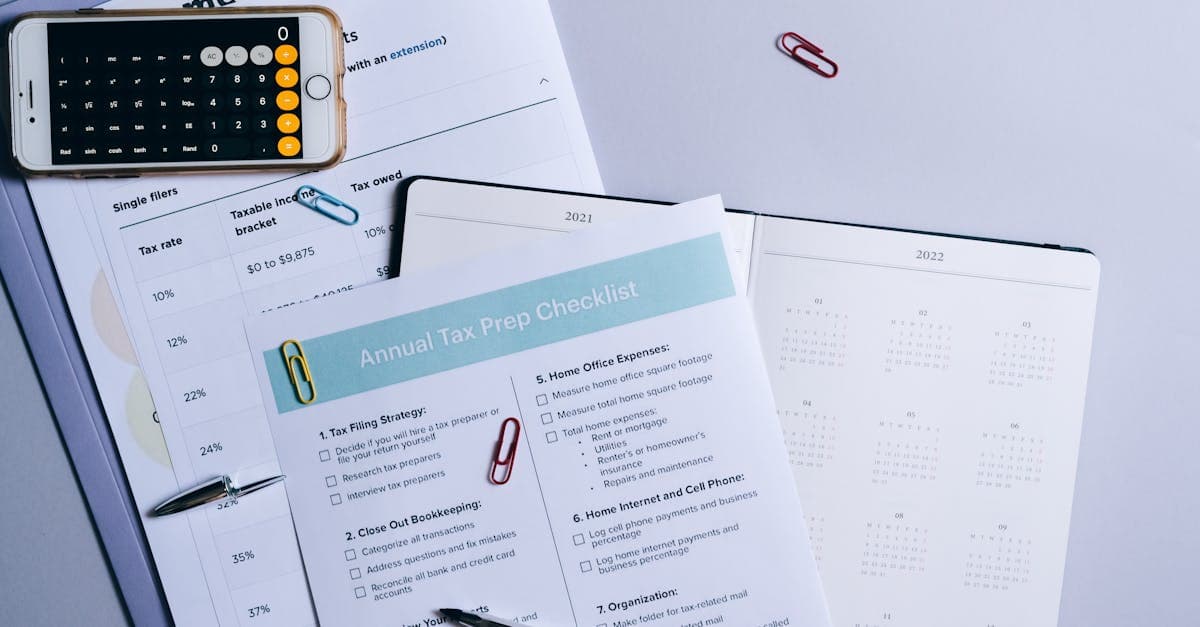
Policy Checkup After a Major Home Renovation: Updating Your Dwelling Coverage
Home renovations increase your dwelling's replacement cost and may add valuable features that need specific coverage. Updating your policy after renovations prevents underinsurance.
How Assignment of Benefits Affects Your Insurance Claim Settlement
When you sign an AOB, you lose direct involvement in the settlement negotiation. The contractor and insurer negotiate the payout, and you may have limited recourse if the result is inadequate.