Coverage Architecture & Planning
Insurance Architect
Designing insurance coverage from the ground up — structural thinking for smarter protection.
Replacement Cost vs Actual Cash Value: The Quote Difference That Costs Thousands

The difference between replacement cost and actual cash value coverage can mean tens of thousands of dollars in a claim. Identifying which type each quote offers is one of the most important comparisons you can make.

More Stories

Policy Checkup After a Major Home Renovation: Updating Your Dwelling Coverage
Home renovations increase your dwelling's replacement cost and may add valuable features that need specific coverage. Updating your policy after renovations prevents underinsurance.

How Assignment of Benefits Affects Your Insurance Claim Settlement
When you sign an AOB, you lose direct involvement in the settlement negotiation. The contractor and insurer negotiate the payout, and you may have limited recourse if the result is inadequate.

How Quickly Do Insurance Companies Have to Respond to Your Claim
State regulations set minimum response times for insurance companies at every stage of the claims process. Knowing these deadlines protects you from unreasonable delays.

Avoiding the Top 10 Mistakes People Make Before Filing Insurance Claims
From throwing away damaged property to admitting fault prematurely, common pre-claim mistakes can reduce your settlement or cause a denial. Knowing these pitfalls helps you avoid them.

Misunderstanding Cash Value in Whole Life Insurance Policies
Many buyers misunderstand how cash value accumulates in permanent life insurance. Expecting rapid growth or treating it as a primary investment vehicle leads to disappointment and poor financial decisions.
How Policy Loans and Withdrawals Affect Life Insurance Illustrations
Illustrations can model the impact of policy loans and withdrawals on cash values and death benefits. Understanding how accessing your cash value changes the policy's trajectory is essential for planning.

Life Insurance Medical Exam: Blood Pressure Requirements and Thresholds
Life insurance underwriters evaluate blood pressure readings against specific thresholds. Readings below 130 over 85 generally qualify for preferred rates. Higher readings may require additional evaluation.
Age and Life Insurance Denial: When Getting Older Makes Coverage Harder
Age is a fundamental underwriting factor that affects both premium costs and availability of coverage. As applicants age, health conditions accumulate and insurers adjust their risk assessments accordingly.

Automatic Premium Loan Provisions: How They Prevent Policy Lapse
Many life insurance policies include an automatic premium loan provision that uses cash value to pay premiums you miss. This feature prevents lapse but creates a loan balance that accrues interest.

Paid-Up Additions: Accelerating Cash Value Growth in Whole Life Insurance
Paid-up additions are a rider that uses dividends or extra premiums to purchase additional paid-up insurance, increasing both cash value and death benefit. This is one of the most effective cash value growth strategies.

Decreasing Death Benefits: Mortgage Life Insurance and Credit Life Policies
Some life insurance policies have death benefits that decrease over time, designed to match declining mortgage balances or loan amounts. These policies cost less but provide diminishing protection.

The Difference Between Primary and Contingent Beneficiaries on Life Insurance
Your primary beneficiary is first in line for the death benefit. Your contingent beneficiary receives proceeds only if the primary cannot. Both designations are essential for complete planning.

The Role of Contingent Beneficiaries in Life Insurance Planning
Contingent beneficiaries are your backup plan. They receive the death benefit only if all primary beneficiaries are unable to collect. Without contingent beneficiaries, proceeds may default to your estate and face probate.

Irrevocable Beneficiary Designations: When You Cannot Change Your Beneficiary
An irrevocable beneficiary designation requires the beneficiary's consent to change. This is common in divorce settlements and business agreements where the beneficiary has a legal right to the proceeds.

Community Property States and Life Insurance Beneficiaries: What Spouses Need to Know
In community property states, your spouse may have a legal claim to life insurance proceeds regardless of your beneficiary designation. Understanding these rules prevents legal challenges to your wishes.

Life Insurance for Investment Property Mortgages
Investment properties carry mortgage obligations that can burden your estate after death. Life insurance covers these obligations and protects your investment portfolio for your heirs.

Life Insurance and Aging Parents: Coverage When You Have No Kids
If you financially support aging parents, life insurance ensures that support continues after your death. Your parents do not lose their safety net because you passed away.

How Health Changes Affect Your Options at Term Life Renewal
If your health deteriorates during the term period, renewing or purchasing new coverage becomes expensive or impossible. This is why term conversion privileges and purchasing adequate initial terms are so important.

Universal Life Insurance Surrender Charges: What They Cost and When They End
Most universal life policies impose surrender charges during the first 10 to 20 years. These declining charges reduce the amount of cash value available if you cancel the policy early.

When Does Whole Life Insurance Make Financial Sense?
Whole life insurance makes the most sense for permanent protection needs, estate planning, supplemental retirement income, and situations where guaranteed cash value growth and tax advantages align with financial goals.

Choosing the Right Term Length for Your Life Insurance Policy
Your term length should match the duration of your financial obligations. Aligning coverage with your mortgage, your children's dependency period, or your working years ensures protection when you need it.

How Much Life Insurance Do Business Owners Need?
Business owners need life insurance for both personal and business obligations. Calculating the right amount means accounting for business debts, succession planning, and key person replacement.

Life Insurance for Charitable Giving: Leaving a Lasting Legacy
Some people buy life insurance to fund a charitable gift at death. A modest premium creates a significant donation that benefits a cause the policyholder cares about while providing potential tax advantages.

The Life Insurance Claims Process: How Beneficiaries Get Paid
Filing a life insurance claim requires notifying the insurance company, submitting a death certificate, and completing claim forms. Most claims are paid within 30 to 60 days of receiving required documentation.

Can Your Landlord Require You to Carry Flood Insurance?
Some landlords and lease agreements require tenants to carry flood insurance, especially in high-risk flood zones. Even when not required, renters benefit from voluntarily purchasing contents-only flood coverage.

Condo Flood Insurance Deductibles: Choosing the Right Amount
Flood insurance deductibles for condo unit owner policies range from $1,000 to $10,000. Selecting the right deductible balances your annual premium costs against your ability to pay out-of-pocket after a flood.
How FEMA Flood Zone Reclassification Affects Your Insurance Needs
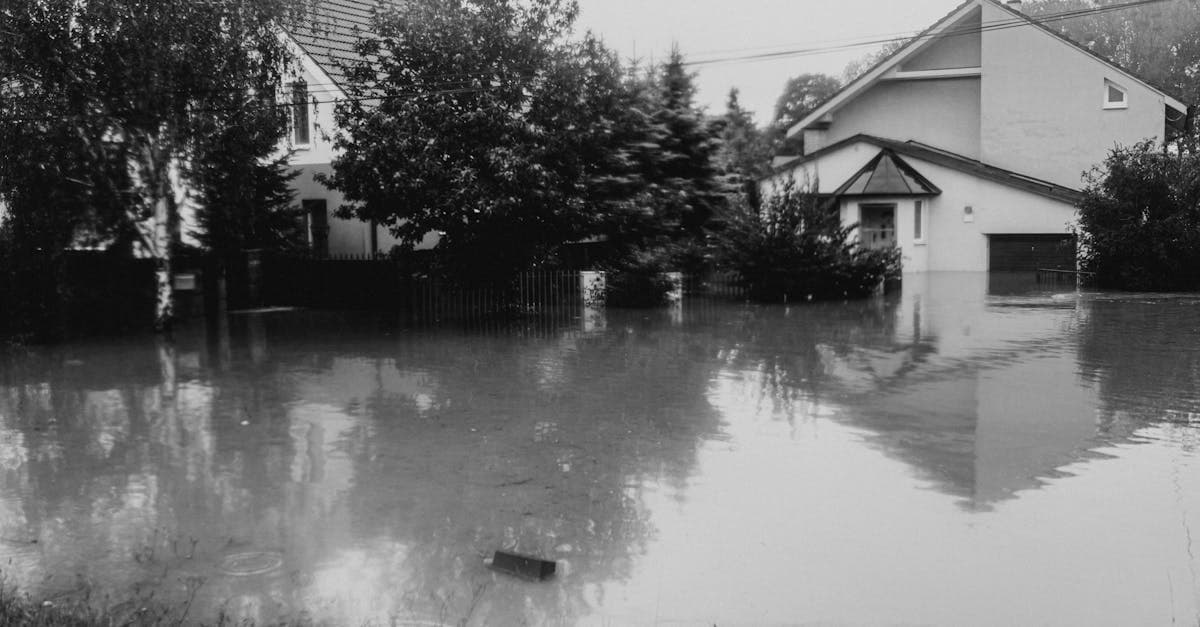
FEMA periodically updates flood maps, and reclassification can move your home from a low-risk to a high-risk zone. Purchasing flood insurance before reclassification locks in lower premiums.

How Insurance Companies Determine When Hurricane Deductibles Apply
Insurers use specific criteria including NWS declarations, wind speed measurements, and storm classifications to determine when hurricane deductible provisions activate. Understanding these triggers prevents claim surprises.

Hurricane Deductible Trigger Disputes: What to Do When You Disagree With Your Insurer
Disputes over whether the hurricane deductible should apply are common after storms that hover near the hurricane classification threshold. Understanding your policy trigger language gives you leverage in these disagreements.

How Florida Condo Owners Deal With Hurricane Deductibles
Florida condo owners face hurricane deductibles on both their individual HO-6 policy and potentially through special assessments from their association's master policy hurricane deductible. Both exposures require attention.
Hurricane Deductible Buyback: Converting Your Percentage to a Flat Dollar Amount
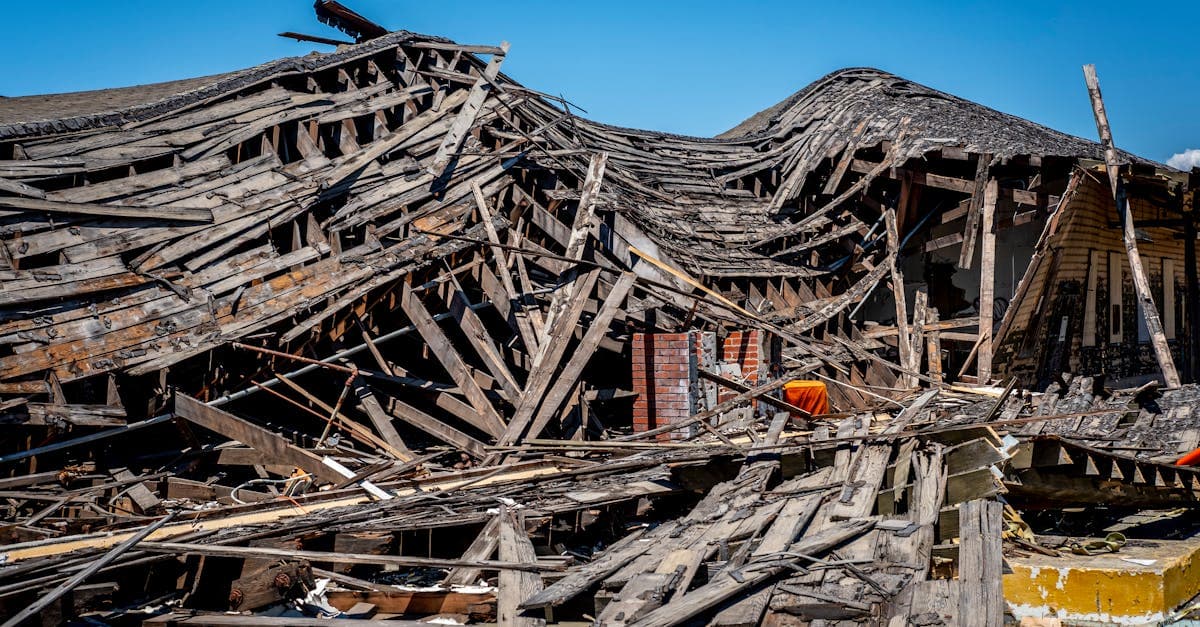
A hurricane deductible buyback endorsement replaces your percentage-based hurricane deductible with a flat dollar deductible — typically $500 to $2,500. This endorsement increases your premium but caps your out-of-pocket cost.

Slab Foundation Homes and the Wind vs Flood Challenge
Homes on slab foundations are especially vulnerable to both wind and flood damage. Without elevation, flood water reaches living spaces quickly while wind attacks the roof simultaneously.

What Homeowners Insurance Covers That Flood Insurance Does Not
Burst pipes, appliance overflows, ice dam leaks, and accidental water discharge are all homeowners claims that flood insurance does not address. Each policy has a defined role in your protection strategy.

Septic Systems and Flood Insurance: Navigating a Complex Coverage Area
Flood insurance provides limited coverage for septic systems depending on the specific components and their location. Understanding which parts are covered and which are excluded prevents claim surprises.

Flood Insurance Coverage Limits: Maximum Amounts for Buildings and Contents
NFIP residential policies cap building coverage at $250,000 and contents coverage at $100,000. Private flood insurers may offer higher limits. Knowing these caps helps homeowners assess if additional coverage is needed.

Flood Insurance for Florida Homes in Low-Lying Neighborhoods
Low-lying Florida neighborhoods collect water during heavy rainfall even when they are not in designated flood zones. Elevation relative to surrounding terrain is a critical flood risk factor.

Is Flood Insurance Required for Conventional Loans in Florida?
Conventional loans backed by Fannie Mae or Freddie Mac require flood insurance for Florida properties in Special Flood Hazard Areas. The requirement mirrors the federal mandate for all federally related loans.
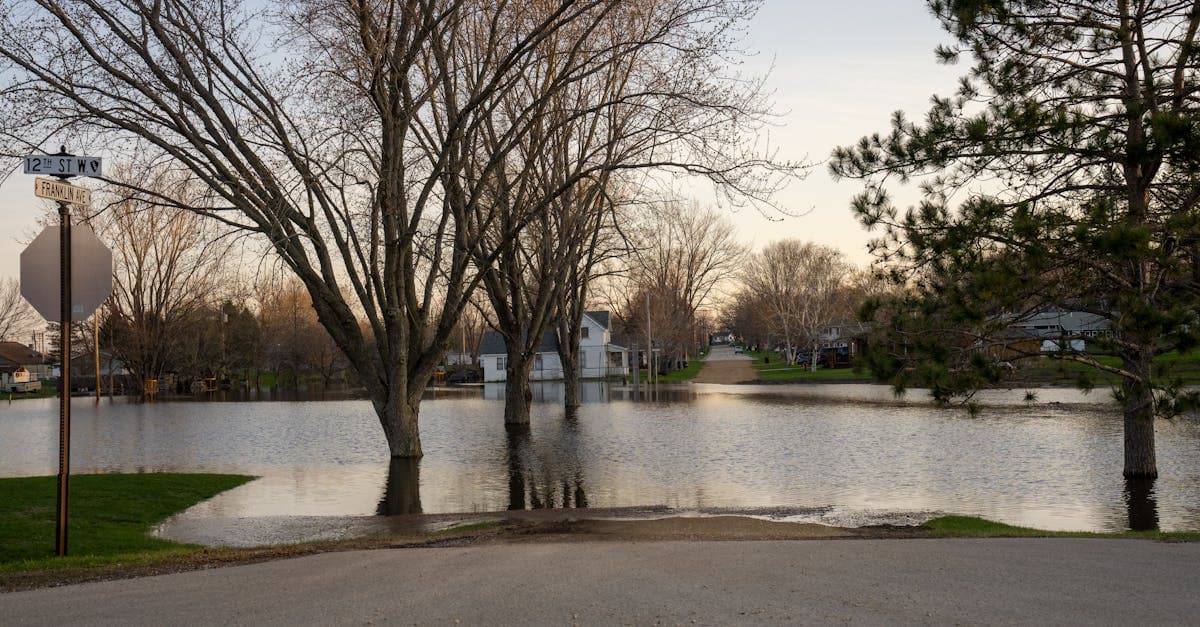
Flood Insurance for Condo Owners: How Coverage Works in Multi-Unit Buildings
Condo owners need their own flood insurance for interior improvements and personal property. The condo association's policy covers the building structure but not individual unit contents or upgrades.
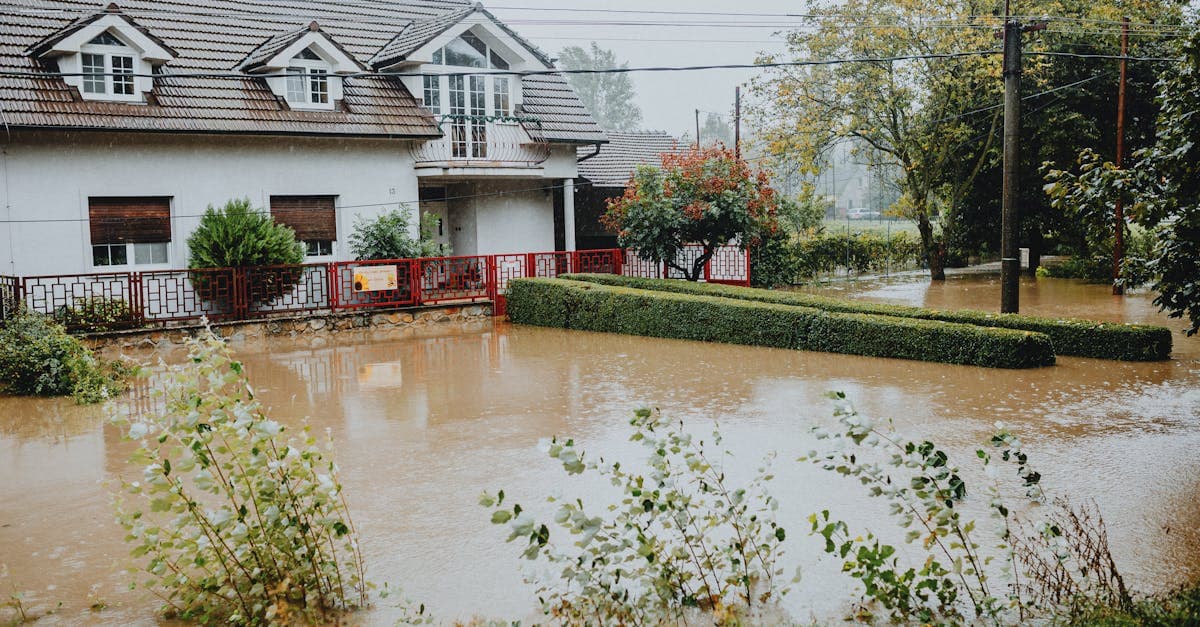
Flood Insurance for Renters: Protecting Your Belongings When the Landlord's Policy Won't
Renters insurance excludes flood damage just like homeowners insurance. Renters can purchase NFIP contents-only flood policies to protect personal belongings against flood losses their landlord's policy will not cover.

Florida Screened Enclosure Coverage: A Common Overlooked Question
Screened enclosures are a staple of Florida homes but are often subject to limited or excluded coverage for wind damage. Asking specifically about lanai and screen enclosure coverage prevents surprise out-of-pocket costs.

Home Office Renovation and Insurance Coverage Needs
Converting a room into a home office may require additional insurance coverage for business equipment and liability. Standard homeowners policies provide limited protection for home business activities.

How to Update Your Homeowners Insurance Declarations Page
Life changes like renovations, marriages, and mortgage refinancing require declarations page updates. Knowing when and how to request changes keeps your policy accurate.

How Video Walkthroughs Improve Your Insurance Claim
A video walkthrough of your home captures details that photographs miss — room layouts, item quantities, brand names visible on products, and the overall condition of spaces. Recording a walkthrough twice a year creates powerful claim documentation.
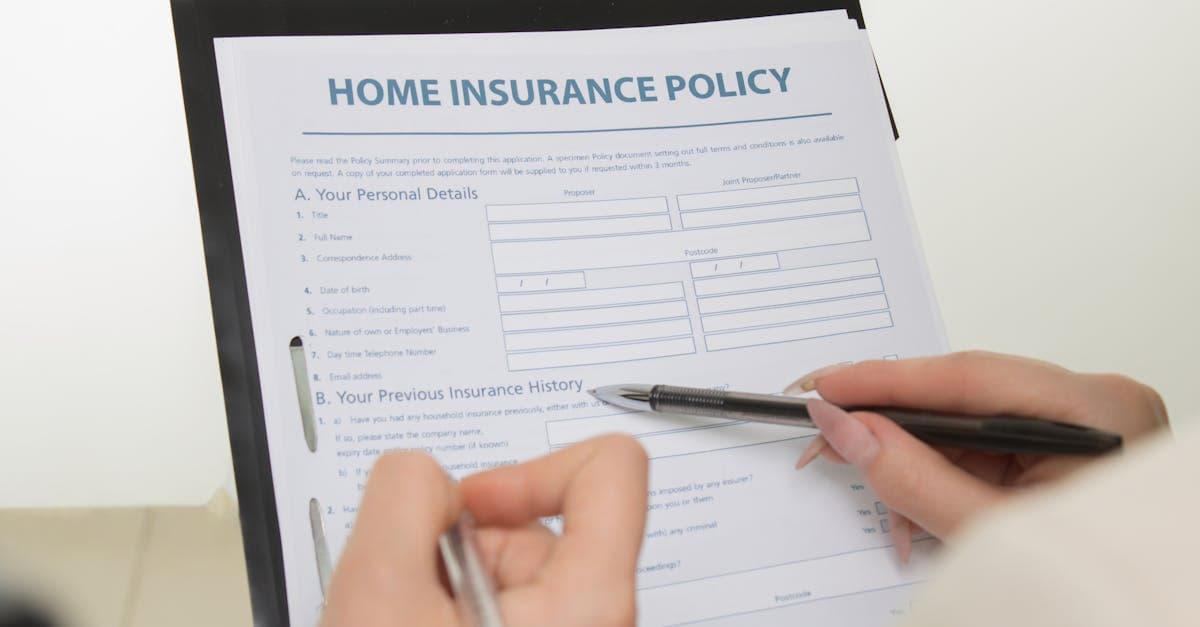
The True Cost of Switching Homeowners Insurance Mid-Policy
The total cost of switching includes any short-rate penalty, the time spent shopping and coordinating, potential loss of loyalty discounts, and the risk of a coverage gap. Weighing these costs against the benefits determines whether switching makes financial sense.

Personal Property Inventory: An Essential Pre-Renewal Exercise
Your personal property coverage should reflect what you actually own. A pre-renewal inventory update ensures your Coverage C limit and any scheduled items accurately represent your belongings.

How Bundling Home and Auto Insurance Can Offset Premium Increases
Multi-policy discounts of 10 to 25 percent can significantly reduce your homeowners premium. Bundling is one of the most reliable ways to offset market-driven premium increases.

How Raising Your Deductible From $1,000 to $2,500 Affects Your Premium
The jump from a $1,000 to a $2,500 deductible typically saves homeowners 10 to 15 percent on their annual premium. This guide helps you calculate whether the savings justify the increased risk.

Working With an Insurance Agent to Determine Your Coverage Needs
An experienced insurance agent can identify coverage gaps you might miss, explain endorsement options, and help you balance protection with affordability. Knowing what questions to ask your agent leads to better coverage decisions.

Your Annual Coverage Review: Is ACV Still Right for Your Home?
As your home ages and your belongings accumulate value, the ACV gap widens. An annual review helps you decide whether upgrading to replacement cost has become worth the premium increase.

Replacement Cost Coverage and Inflation Guard Endorsements
An inflation guard endorsement automatically increases your dwelling coverage limit periodically to keep pace with rising construction costs. This endorsement helps prevent your replacement cost coverage from falling behind.

What Personal Property Coverage Excludes: Important Gaps to Know
Personal property coverage excludes motor vehicles, animals, business property over small limits, and certain categories of valuables. Understanding these gaps prevents claim surprises.
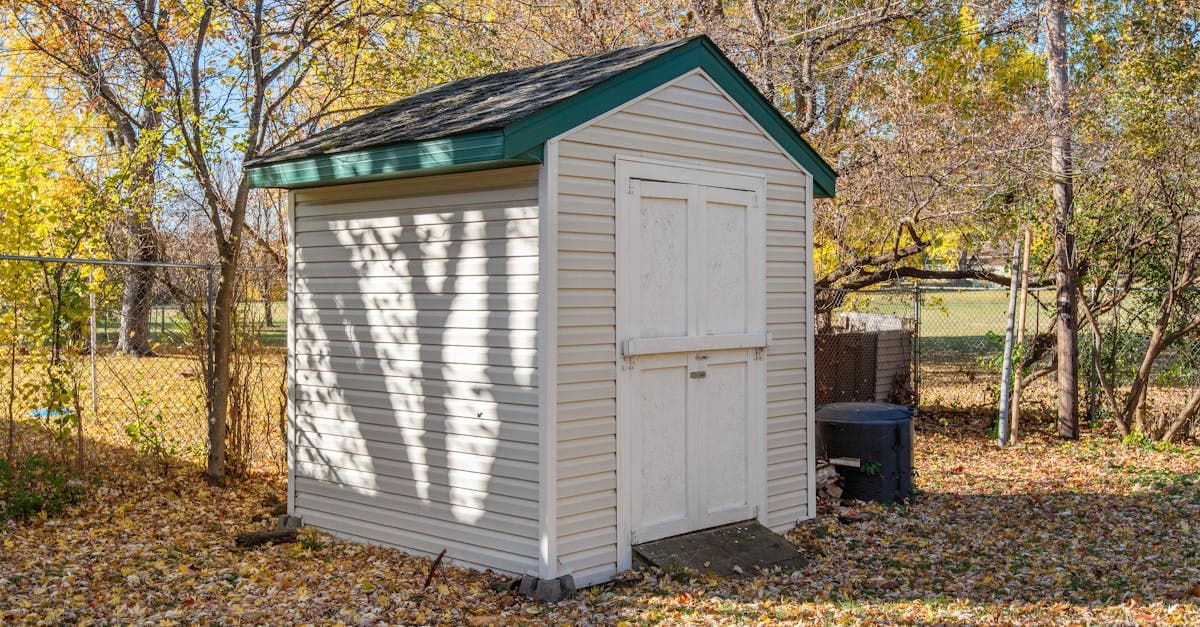
Does Other Structures Coverage Protect Your Driveway and Walkways?
Driveways, walkways, and patios that are not attached to your home may fall under Coverage B. Damage from covered perils like fallen trees or vehicle impact can trigger a claim.

Dwelling Coverage and Attached Structures: Garages, Porches, and Decks
Your dwelling coverage extends to structures physically attached to your home including attached garages, covered porches, built-in decks, and enclosed patios.

ALE Coverage for Partial Home Damage: When Part of Your Home Is Uninhabitable
You do not need total destruction to trigger loss of use coverage. Even partial damage that makes your home uninhabitable can qualify for ALE benefits.

Personal Liability and Home-Based Businesses: Coverage Gaps to Know
Running a business from home can create liability exposure that your homeowners policy does not cover. Understanding this gap is essential for home business owners.

Off-Premises Property: Replacement Cost vs. ACV Coverage
When belongings are stolen or damaged away from home, your insurer pays replacement cost or ACV depending on your policy. The difference can be thousands.
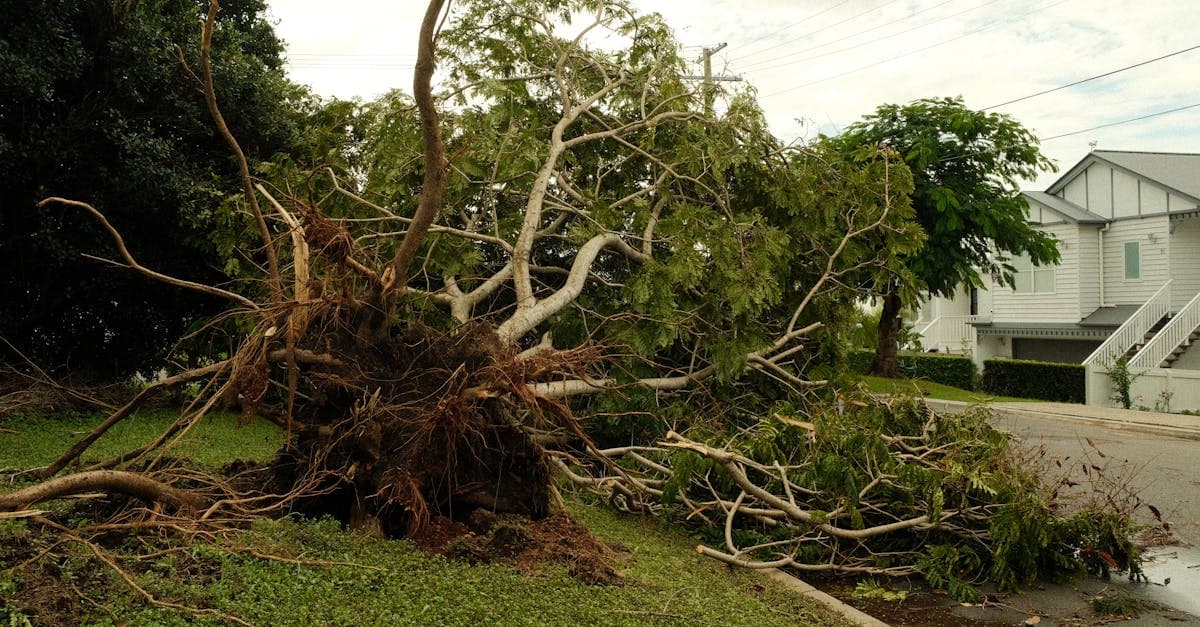
Tree Damage and Your Deductible: How Costs Are Calculated
Your deductible applies to each fallen tree claim event. When multiple trees fall in one storm, it is usually one deductible for the entire event.

How Insurance Adjusters Assess Storm Damage Claims
Understanding what adjusters look for during storm damage inspections helps you prepare your property and documentation for the best possible outcome.

Emergency Plumbing Response: What to Do Before Calling Insurance
The actions you take in the first hour after discovering plumbing damage can determine your claim outcome. Mitigating damage is both your right and your obligation.

Mold After Water Damage: How Long Before Coverage Ends?
Insurance expects you to mitigate water damage promptly. If you delay and mold develops, the insurer may deny the mold portion of your claim. Timelines matter.
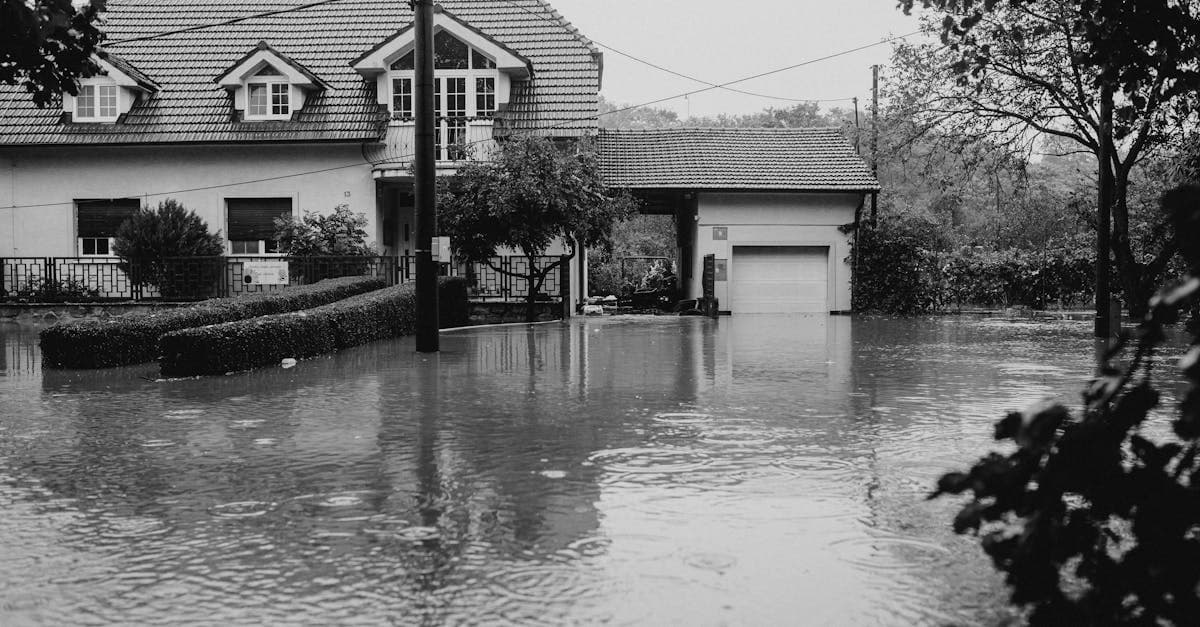
Bathtub Overflow Water Damage: Coverage and Prevention
An overflowing bathtub that damages floors and ceilings below is covered as sudden accidental water damage. Understanding how these claims work helps you minimize damage and maximize your insurance recovery.
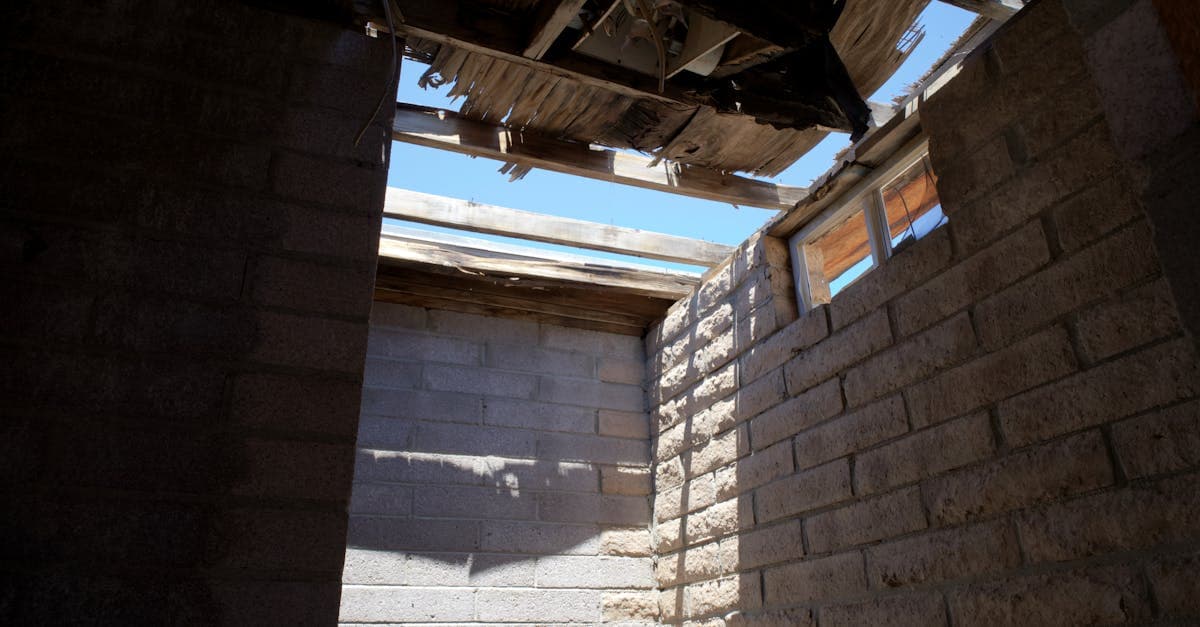
Mold From a Roof Leak: Is It Covered by Homeowners Insurance?
Mold growth from a roof leak creates a secondary damage claim with its own coverage rules. Understanding mold coverage limits and conditions prevents unexpected gaps in your recovery.

Mechanical Breakdown: Why Your Homeowners Insurance Ignores Appliance Failures
Standard homeowners insurance excludes mechanical breakdown of HVAC systems, water heaters, and appliances. Home warranties and equipment breakdown endorsements fill this common gap.
How Much Homeowners Insurance Coverage Do You Actually Need?
The right amount of coverage depends on your home's replacement cost, your belongings, and your liability exposure. Underinsuring any category creates dangerous financial gaps.

When Your Florida Vehicle Depreciates Below Your Coverage Value
As your vehicle loses value, your coverage needs change. Reviewing your policy when your car crosses depreciation thresholds prevents you from overpaying for protection you cannot collect.

Florida Insurance Lapse: Criminal vs Civil Consequences
An insurance lapse in Florida carries both civil penalties like fines and registration suspension and potential criminal charges for driving without required coverage.

Florida SR-22 Insurance: Requirements After a Serious Violation
Florida requires SR-22 filings after certain offenses including DUI and at-fault accidents without insurance. This filing proves you carry the required bodily injury coverage.

How Your Driving Record Affects Florida PDL Premiums
At-fault accidents, tickets, and violations directly impact your PDL premium in Florida. Understanding this connection helps you manage your insurance costs.

The Emergency Medical Condition Requirement in Florida PIP
Florida law distinguishes between emergency and non-emergency medical conditions for PIP purposes. This distinction determines whether you receive $10,000 or only $2,500 in medical benefits.

Multi-Vehicle Accidents in Florida: Who Pays for What?
Chain-reaction accidents create complex fault and coverage questions. Understanding multi-vehicle accident dynamics in Florida protects your claim.

If Your Car Causes an Accident: What the Other Driver Claims
When someone else drives your car and causes an accident, the other driver's claim goes against your insurance — not theirs. Here's what happens and how to protect yourself.

Borrowing a Car Long-Term? Here's How Insurance Works
Borrowing a car for a week or longer changes how insurance covers you. The owner's policy usually applies — but extended use may require formal coverage.

Vehicle Theft Prevention: Strategies That Reduce Risk and Premiums
Preventing theft is better than filing a claim. These proven strategies reduce your theft risk and may also lower your comprehensive insurance premium.

Can You Choose Your Own Glass Repair Shop for Insurance Claims?
You have the right to select your own repair facility in most states. Understanding your options prevents insurers from steering you to shops that may not use your preferred glass.
How Down Payment Size Affects Your Need for Gap Insurance
A larger down payment reduces or eliminates the gap between vehicle value and loan balance. Understanding this relationship helps you decide whether gap coverage is needed.

Rental Reimbursement Coverage: Worth It for Daily Commuters?
Rental reimbursement costs $20–$30/year and pays $30–$50/day for a rental during repairs. For commuters who can't miss work, the math nearly always wins.

Roadside Assistance and Winch Service: When You Need Extraction
If your vehicle gets stuck in a ditch, mud, or snow, winch service pulls you out. Not all roadside plans include this service, so checking your coverage matters.

Is Uninsured Motorist Coverage Worth It for Families with Children?
Families face compounded financial risks from uninsured driver accidents. UM coverage protects every family member, making it especially valuable for parents.

Uninsured Motorist Coverage for Rideshare Drivers
Uber and Lyft drivers face unique UM coverage gaps between personal and commercial policies. Knowing when each applies protects your income.

Is Comprehensive Insurance Required? When Lenders Mandate Coverage
Lenders and lessors require comprehensive insurance to protect their financial interest. Once you own the vehicle outright, the choice becomes yours.

Collision Coverage in Parking Lot Accidents
Parking lot accidents are among the most common collision claims. Understanding how collision coverage applies in these situations protects your interests.

The Math Behind Adequate Liability Limits: A Financial Calculation
Calculating proper liability limits involves assessing your total financial exposure and ensuring coverage exceeds it. Here's the math that protects you.

The Three Pillars of Full Coverage: Liability, Collision, and Comprehensive
These three coverage types form the foundation of what people call full coverage. Understanding each pillar reveals both the strength and the gaps of this combination.

Why Young Drivers Pay More for Auto Insurance — and How to Manage It
Young drivers face higher premiums because they have higher accident rates. Understanding why helps you accept the cost and find legitimate ways to reduce it.

Questions That Help You Understand Insurance Fine Print
The fine print contains the real terms of your coverage agreement. These questions translate legalese into plain language you can act on.

The Insurance Review Calendar: Scheduling Reviews for Every Policy Type
Different policies need review at different intervals. This calendar gives you a month-by-month schedule for managing your complete insurance portfolio.

Why Your Homeowners Insurance Increased After Your Neighbor Filed a Claim
When your neighborhood experiences increased claims, everyone's rates can rise. Area-wide loss experience affects individual pricing.

The Claim That Was Not Worth It: Real Examples of Bad Filing Decisions
These real-world scenarios show how policyholders lost money by filing claims they should have handled out of pocket.
Should You File a Water Damage Claim? Decide Before You Call
Filing a small water damage claim can raise your premium for years. Use this framework to decide: source, extent, and the 5-year rate impact.

Should You Hire a Public Adjuster?
Public adjusters represent your interests, not the insurance company's. Here's when hiring one makes financial sense and when it doesn't.

Replacement Cost Endorsement for Personal Property
Adding replacement cost to your personal property coverage eliminates depreciation from claims, ensuring you receive enough to buy new equivalents.

The Mold Exclusion: Why Most Policies Limit Mold Coverage
Mold remediation is expensive, and most homeowners policies severely limit or exclude mold coverage. Understanding your options is essential.

Replacement Cost vs. ACV: When the Upgrade Pays Off
Replacement cost coverage pays full replacement without depreciation — typically 10–20% more in premium. See when the upgrade is worth it and how to switch.
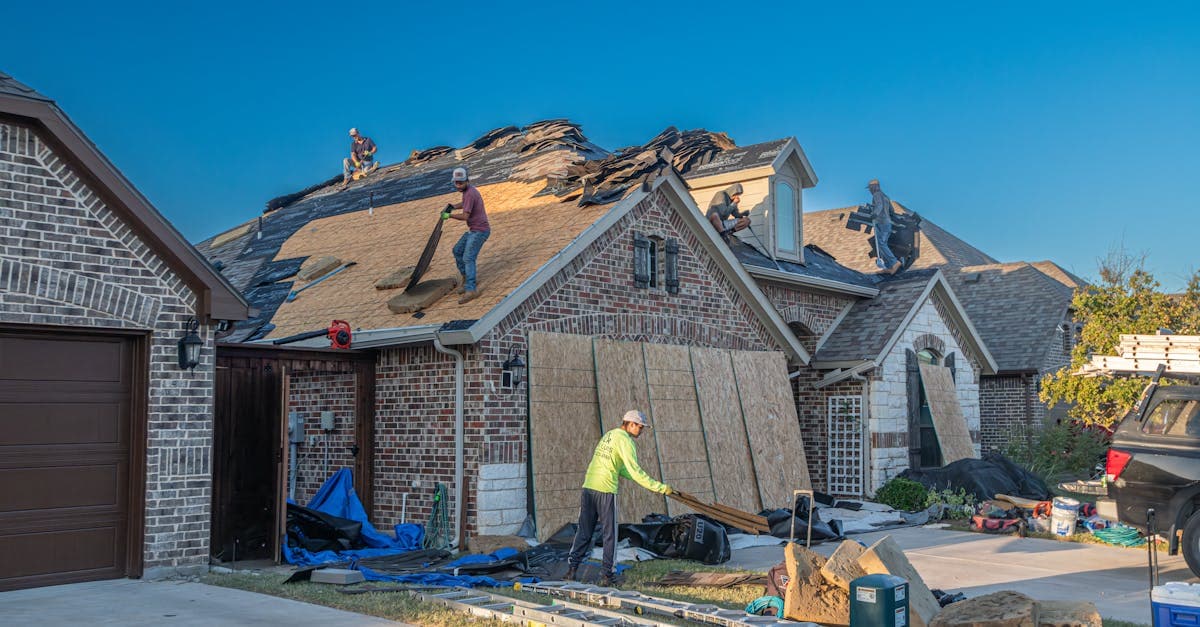
Understanding Replacement Cost and Coinsurance Penalties
If your dwelling coverage limit falls below a percentage of your home's replacement cost, coinsurance penalties can reduce your claim payout.

Stacking Coverage Limits: When Multiple Policies Apply
In some situations, coverage from multiple policies can stack to increase your total available limit. Here is when and how stacking works.
Declarations Page Mistakes: Errors That Can Cost You a Claim
A single typo on your declarations page can delay or deny a claim. Learn the most common errors and how to catch them before they matter.

Premium Myths Exposed: What Most People Get Wrong
The biggest premium mistakes come from believing things that are not true. We bust the most common myths and replace them with facts.

Deductibles: The Bridge Between You and Your Coverage
Think of your deductible as the bridge you cross before insurance protection begins. Understanding it changes how you think about risk.

What Does Insurance Really Cover? The Blueprint Behind Your Policy
Insurance policies are engineered structures — every clause, limit, and exclusion is a deliberate design choice. Here is the architectural blueprint behind what your coverage actually protects.
