Is Comprehensive Insurance Required? When Lenders Mandate Coverage

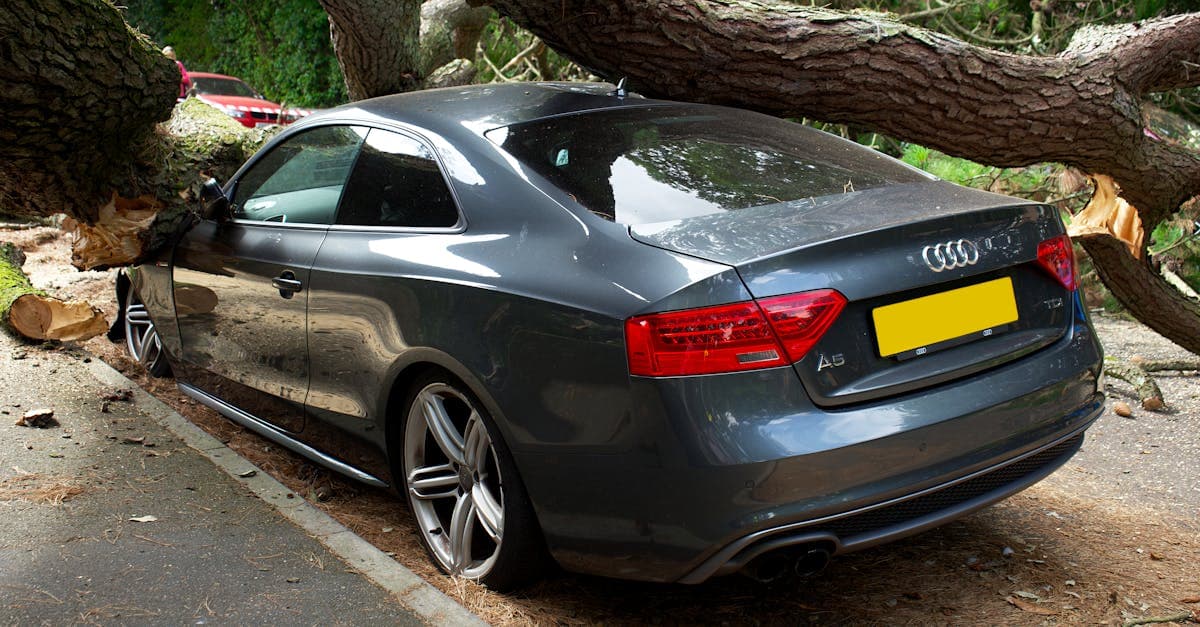
Here is comprehensive insurance in thirty seconds: it covers damage to your vehicle from anything other than a collision. Theft, hail, floods, fire, animals, vandalism, falling objects — if it was not a crash, and it damaged your car, comprehensive probably covers it.
Now here is why thirty seconds is not enough. Comprehensive coverage involves important details that affect whether you should carry it, how much deductible to choose, when to file a claim, and when to drop it entirely. Getting these details wrong can cost you thousands of dollars.
Your comprehensive deductible is separate from your collision deductible. Many drivers do not realize they can set different deductibles for each coverage. A common strategy is to carry a lower comprehensive deductible than collision because comprehensive events are more frequent and less predictable.
Filing a comprehensive claim is generally less risky to your rates than a collision claim because the events are outside your control. But filing small claims — especially those barely exceeding your deductible — can still trigger rate increases with some insurers. The smart approach is to reserve comprehensive claims for significant losses and pay minor damage out of pocket.
This guide covers every aspect of comprehensive insurance: what it covers, what it excludes, how claims work, how to choose a deductible, and when the coverage is or is not worth the cost. By the end, you will know exactly how to optimize this coverage for your situation.
Falling Objects and Comprehensive Coverage
The evidence is clear. Damage from objects falling onto your vehicle is a covered comprehensive peril. This category encompasses a wider range of events than most drivers realize, and understanding it helps you identify comprehensive claims you might otherwise overlook.
Tree damage: Branches, limbs, and entire trees falling on vehicles are among the most common falling object claims. Whether the tree falls due to a storm, disease, or simple age, the damage to your vehicle is a comprehensive claim. You do not need to prove the tree was diseased or the property owner was negligent — comprehensive covers the vehicle damage regardless of fault.
Construction debris: Objects falling from construction sites, bridges under repair, or buildings being demolished can cause significant vehicle damage. Your comprehensive coverage pays for this damage. If the responsible party is identifiable, your insurer may pursue subrogation to recover costs from the construction company's liability insurance.
Road debris and cargo: Items that fall from other vehicles — unsecured loads, truck tire treads, construction materials — and strike your vehicle are comprehensive claims when the object falls onto your vehicle. However, if you drive into debris already on the road surface, that may be classified as a collision. The distinction depends on whether the object struck your vehicle from above or you struck the object on the ground.
Aircraft debris: The extremely rare event of debris falling from aircraft onto your vehicle is covered under comprehensive. This includes both civilian and commercial aircraft incidents.
Ice and snow from structures: Large chunks of ice or accumulated snow falling from buildings, overpasses, or other structures onto your vehicle constitute comprehensive claims. In urban areas during winter, this is a more common occurrence than many drivers realize, and it can cause significant roof and hood damage.
Civil Unrest and Comprehensive Auto Insurance
This brings us to a critical distinction. Vehicles damaged during protests, riots, or civil disturbances are covered under comprehensive insurance. This coverage has received increased attention in recent years as civil unrest events have affected vehicles in urban areas across the country.
What is covered: Comprehensive insurance covers vehicle damage from riots, civil commotion, and vandalism associated with protests or disturbances. This includes broken windows, fire damage, dents and body damage from thrown objects, graffiti, and theft that occurs during the event.
Claims process during unrest: Filing a comprehensive claim after civil unrest follows the standard process — document damage, file a police report, and contact your insurer. However, large-scale events may create claim backlogs. Adjusters handling hundreds of claims simultaneously may take longer to process your claim. Document your damage thoroughly and be patient with the timeline.
Coverage limitations: While comprehensive covers the vehicle damage, it does not cover personal property inside the vehicle or medical expenses. If you are injured during a civil unrest event, medical payments coverage or health insurance applies — not comprehensive. Personal property is covered under homeowners or renters insurance.
Prevention during known events: When civil unrest is anticipated in your area, move your vehicle to a safer location if possible. Park away from areas where events are concentrated. If you cannot move the vehicle, park in a garage or covered structure. These preventive steps can avoid the claim entirely.
Rate impact of civil unrest claims: Civil unrest damage is an external, uncontrollable event, and most insurers treat these comprehensive claims with minimal rate impact — similar to weather damage. However, if your vehicle is repeatedly damaged in multiple events, the insurer may consider the pattern when determining your premium.
How Comprehensive Covers Theft and Vandalism
This brings us to a critical distinction. Vehicle theft and vandalism are among the most common reasons drivers file comprehensive claims. Understanding how the coverage works in these situations helps you respond effectively when criminals target your vehicle.
Total vehicle theft: If your vehicle is stolen and not recovered, comprehensive insurance pays you the vehicle's actual cash value minus your deductible. The insurer typically allows a waiting period — usually 30 days — before settling a total theft claim, giving law enforcement time to recover the vehicle. If the vehicle is recovered during this period, the insurer covers any damage sustained during the theft.
Partial theft and break-ins: If thieves break into your vehicle to steal parts — catalytic converters, wheels, airbags, or electronics — comprehensive covers the stolen components and the damage caused during the theft. Window breakage, door lock damage, and ignition damage are all included in the claim.
Vandalism claims: Keyed paint, slashed tires, broken mirrors, graffiti, and smashed windows from vandalism are comprehensive claims. You will need to file a police report, which most insurers require before processing a vandalism claim. Document all damage thoroughly with photographs before beginning any cleanup or temporary repairs.
Catalytic converter theft: This specific type of partial theft has surged dramatically, with replacement costs ranging from $1,000 to $3,000 or more. Comprehensive covers the replacement, but the frequency of these claims has led some insurers to adjust deductibles or premiums in high-theft areas. Installing a catalytic converter shield can both prevent theft and potentially lower your comprehensive premium.
Comprehensive Insurance and Total Loss Declarations
The evidence is clear. When comprehensive damage costs more to repair than your vehicle is worth, the insurer declares a total loss. Understanding how total loss works under comprehensive coverage protects your financial interests during one of the most stressful claims experiences.
Total loss threshold: Most states define a total loss when repair costs exceed a certain percentage of the vehicle's actual cash value — commonly 70 to 80 percent. Some states use a total loss formula that also considers the salvage value. Once the damage crosses this threshold, the insurer pays you the vehicle's value rather than repairing it.
Actual cash value calculation: The insurer determines your vehicle's actual cash value using its year, make, model, mileage, condition, and local market data. They typically reference valuation services and recent comparable sales. If you believe the valuation is too low, you can challenge it with evidence of comparable vehicles selling for more in your area.
What you receive: The total loss payout equals your vehicle's actual cash value minus your deductible. If your vehicle's ACV is $15,000 and your deductible is $500, you receive $14,500. Taxes, registration fees, and sometimes dealer fees may be added depending on your state and policy.
The gap problem: If you owe more on your vehicle loan than the insurer's ACV payout, you are responsible for the difference. This is called being upside down on your loan, and it is where gap insurance becomes critical. Gap coverage pays the difference between the ACV payout and your remaining loan balance.
Salvage rights: After a total loss, the insurer takes possession of the vehicle. In some states, you can buy back the salvage for a reduced amount, but the vehicle will receive a salvage title that permanently affects its value and insurability. Buying back salvage rarely makes financial sense unless you can perform repairs yourself.
Comprehensive Insurance for Leased Vehicles
This brings us to a critical distinction. Leasing a vehicle comes with specific comprehensive insurance requirements that you must meet throughout the lease term. Failure to comply can result in penalties, forced-placed insurance, and lease default consequences.
Lease agreement requirements: Every lease agreement specifies minimum insurance requirements including comprehensive coverage with a maximum deductible — typically $500 or $1,000. The leasing company is listed as the loss payee on your policy, meaning the insurer sends claim payments to them rather than to you. Review your lease agreement carefully to understand the exact requirements.
Why lessors require comprehensive: The leasing company owns the vehicle. You are paying for the right to use it, but the financial risk of total loss falls on the owner. Comprehensive insurance ensures that if the vehicle is stolen, flooded, or destroyed by a covered event, the leasing company receives payment for their asset.
Gap coverage and leasing: Leased vehicles frequently have a gap between the vehicle's actual cash value and the remaining lease payments plus fees. Many lease agreements include gap coverage or require you to purchase it separately. Without gap coverage, a comprehensive total loss could leave you owing thousands to the leasing company even after the insurance payout.
End-of-lease considerations: As your lease approaches its end, you may be tempted to reduce coverage or raise deductibles. Resist this temptation — your lease requirements remain in effect until you return the vehicle. Violating insurance requirements in the final months can trigger penalties and affect your ability to lease again.
Returning a damaged vehicle: Comprehensive damage that you choose not to claim — perhaps because it falls below your deductible — can affect your end-of-lease charges. The leasing company will assess wear and tear at return, and unrepaired comprehensive damage may be charged as excess wear. Documenting that damage was from a covered event can sometimes help negotiate these charges.
Rodent Damage and Comprehensive Insurance
The evidence is clear. Rodent damage to vehicles has become a surprisingly common comprehensive claim, costing vehicle owners hundreds of millions of dollars annually. Mice, rats, squirrels, and other small animals chew through wiring, hoses, and insulation, causing damage that ranges from minor to catastrophic.
What rodents damage: The most common rodent damage involves wiring harnesses, which contain soy-based insulation coatings that attract animals. A single rodent can chew through critical engine wiring in one night, disabling the vehicle and requiring expensive harness replacement. Rodents also damage hoses, belts, air filters, cabin air filters, and interior insulation.
Comprehensive coverage for rodent damage: Most comprehensive policies cover rodent damage because it falls under the broad category of animal-related damage. However, some policies specifically exclude vermin or pest damage, so reviewing your policy language is important. If your policy covers rodent damage, the claim process is the same as any other comprehensive claim.
Repair costs: Rodent damage repairs range from $100 for minor wire repairs to $5,000 or more for extensive harness replacement. Engine compartment wiring harnesses are particularly expensive because they are complex and labor-intensive to replace. Multiple damaged wires can require replacing the entire harness rather than repairing individual connections.
Prevention strategies: Park in well-lit areas and keep the engine compartment clean. Rodent deterrent tape with capsaicin coating is available from several vehicle manufacturers. Electronic ultrasonic deterrent devices may help. Remove food sources near parking areas and inspect your engine compartment regularly for signs of nesting material, droppings, or chew marks.
Recurring claims concern: If you file multiple rodent damage claims, your insurer may increase your premium or suggest the underlying rodent problem needs to be addressed at its source. Demonstrating that you are taking preventive measures can help with insurer relations and potentially mitigate rate increases.
What Comprehensive Insurance Covers
The evidence is clear. Comprehensive insurance is the sealed container that keeps contamination out of your automotive investment. It pays for damage to your vehicle caused by events other than a collision. The covered perils form a broad list that includes most non-collision risks a vehicle faces.
Weather-related damage: Hail, wind, tornadoes, hurricanes, lightning strikes, flooding, and ice storms are all covered under comprehensive. If a weather event damages your vehicle — whether it is parked in your driveway or caught in a storm — comprehensive pays for repairs or replacement up to your vehicle's actual cash value minus your deductible.
Theft and vandalism: If your vehicle is stolen, comprehensive pays its actual cash value. If vandals key your paint, slash your tires, or break your windows, comprehensive covers the repair costs. Catalytic converter theft, which has become increasingly common, is also a comprehensive claim.
Animal collisions: Striking a deer, bird, or other animal is classified as a comprehensive claim — not a collision claim. This distinction matters because comprehensive claims typically have less impact on your premium than collision claims. Animal strikes are among the most common comprehensive claims filed nationwide.
Other covered events: Comprehensive also covers fire damage (including wildfires and vehicle fires), falling objects such as tree branches and construction debris, civil disturbance and riot damage, glass breakage, and damage from missiles or flying objects kicked up from the road. The unifying principle is that these events are outside the driver's control.
Fire Damage and Comprehensive Insurance
This brings us to a critical distinction. Vehicle fires can result from mechanical failure, arson, wildfire exposure, or electrical malfunction. Regardless of the cause, fire damage to your vehicle is covered under comprehensive insurance — making this coverage particularly important in wildfire-prone regions.
Mechanical fire coverage: If an engine fire, fuel system failure, or electrical short circuit ignites your vehicle, comprehensive covers the resulting damage. The insurer will investigate the cause, particularly for newer vehicles, to determine whether a manufacturer defect or recall applies. If a defect is responsible, the insurer may pursue subrogation against the manufacturer.
Wildfire coverage: As wildfires become more frequent and widespread, comprehensive claims from wildfire exposure have increased dramatically. Your vehicle does not need to be directly engulfed — radiant heat from a nearby wildfire can melt plastic components, crack glass, and destroy paint. Even smoke and ash exposure can cause significant cosmetic damage.
Arson and criminal fire: If your vehicle is deliberately set on fire by another person, comprehensive covers the damage. You will need to file a police report and the insurer will conduct an investigation. If the investigation determines the policyholder was involved in setting the fire, the claim will be denied and referred for criminal prosecution.
Explosion coverage: Comprehensive also covers damage from explosions near your vehicle, whether from industrial accidents, gas leaks, or other sources. The concussive force and resulting debris are treated as a comprehensive peril.
Total loss from fire: Vehicle fires frequently result in total loss declarations because heat damage compromises structural integrity even when the fire is extinguished quickly. If your vehicle is totaled by fire, the insurer pays actual cash value minus your deductible, and you surrender the vehicle and its title.
The Strategic Approach to Comprehensive Coverage
The most important takeaway from this guide is that comprehensive insurance requires active management, not passive acceptance. Your optimal comprehensive strategy depends on your vehicle's value, your local risk environment, your financial resilience, and how these factors change over time.
For new and financed vehicles, carry comprehensive with a moderate deductible — typically $500 — and add gap insurance if your loan balance exceeds your vehicle's value. For mid-age vehicles owned outright, evaluate whether raising your deductible or adjusting your coverage makes sense. For older vehicles approaching the end of their useful life, calculate whether the premium justifies the maximum possible payout.
Regardless of your vehicle's age, know what your comprehensive coverage includes and excludes. Understand how to file a claim effectively. Document your vehicle's condition regularly. And review your coverage at least once a year to ensure it still makes sense for your current situation.
Comprehensive insurance is one of the most valuable and cost-effective components of auto coverage when applied correctly. It protects against the risks you cannot control through careful driving. Making informed decisions about this coverage ensures you get maximum protection for every premium dollar.
Continue reading

Replacement Cost vs Actual Cash Value: The Quote Difference That Costs Thousands
The difference between replacement cost and actual cash value coverage can mean tens of thousands of dollars in a claim. Identifying which type each quote offers is one of the most important comparisons you can make.

Policy Checkup After a Major Home Renovation: Updating Your Dwelling Coverage
Home renovations increase your dwelling's replacement cost and may add valuable features that need specific coverage. Updating your policy after renovations prevents underinsurance.

How Assignment of Benefits Affects Your Insurance Claim Settlement
When you sign an AOB, you lose direct involvement in the settlement negotiation. The contractor and insurer negotiate the payout, and you may have limited recourse if the result is inadequate.