Can You Choose Your Own Glass Repair Shop for Insurance Claims?

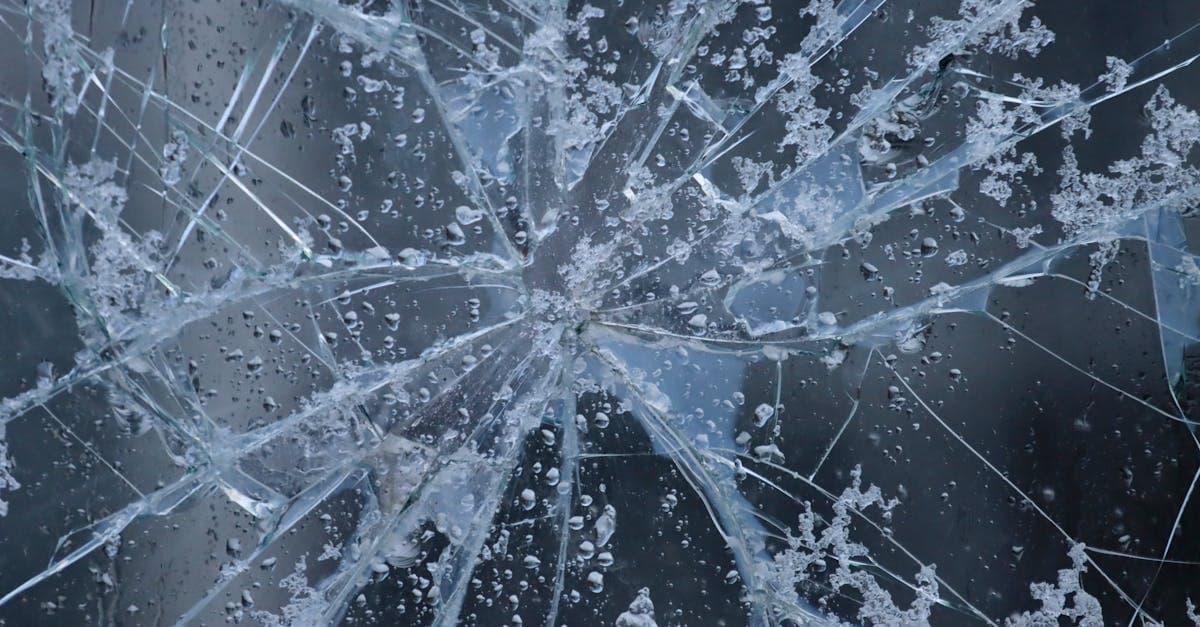
Here is the quick answer: yes, car insurance covers windshield damage — but only if you have comprehensive coverage. Liability-only policies do not cover your own vehicle's glass. If you have comprehensive, your windshield repair or replacement is covered minus your deductible, and in many cases the deductible is waived entirely.
Now here is why you need more than the quick answer. The details of windshield coverage determine how much you pay, whether your rates increase, whether you should repair or replace, and whether you should file a claim at all for minor damage.
Your deductible matters enormously for glass claims. If your comprehensive deductible is $500 and a windshield replacement costs $400, filing a claim nets you nothing — you pay the full amount either way. But if your state has a zero-deductible glass law or you carry a full glass endorsement, the same replacement costs you nothing out of pocket.
Repair versus replacement also matters. Most insurers waive the deductible for chip repairs because a $75 repair today saves them a $500 replacement tomorrow. Taking advantage of this incentive is one of the smartest moves you can make as a comprehensive policyholder.
This guide covers every detail of windshield insurance coverage: what is covered, what is not, deductible rules by state, rate impact, and the strategic decisions that optimize your glass claims.
Choosing a Glass Repair Shop for Insurance Claims
The evidence is clear. Your choice of glass repair facility affects the quality of your replacement, the warranty you receive, and even the long-term safety of your vehicle. Understanding your options helps you make the best choice.
Your right to choose. In most states, you have the legal right to select your own glass repair facility. Your insurer can recommend preferred shops and may offer incentives to use them, but they generally cannot require you to use a specific shop. Exercise this right if you have a preferred or trusted glass service provider.
Insurer-preferred shops. Insurance companies negotiate volume pricing with preferred glass shops, which helps keep claim costs down. These shops often provide direct billing to the insurer, which simplifies the payment process for you. The work quality at preferred shops is generally reliable because the insurer monitors performance to protect their reputation.
Independent glass shops. Independent shops may offer more personalized service, specific glass brand preferences, or ADAS calibration expertise that preferred shops lack. If you choose an independent shop, confirm that your insurer will accept their pricing and that the shop can bill the insurer directly.
ADAS calibration capability. For vehicles with advanced driver assistance systems, the most critical factor in choosing a glass shop is calibration capability. Not all shops have the equipment, training, and space to perform ADAS calibration. Ask specifically whether the shop can calibrate your vehicle's make, model, and year before authorizing the work.
Warranty and guarantees. Quality glass shops offer both a manufacturer warranty on the glass and a shop warranty on the installation. Typical installation warranties cover leaks, wind noise, and defects for the life of the vehicle. Confirm the warranty terms before authorizing the work and keep the warranty documentation with your vehicle records.
Will a Windshield Claim Raise Your Insurance Rates
This brings us to a critical distinction. The rate impact of windshield claims is one of the most misunderstood aspects of auto insurance. The good news is that glass claims are among the least likely to increase your premium — but the details matter.
Why glass claims are treated differently. Windshield damage from road debris is a random, uncontrollable event that says nothing about your driving behavior or risk level. Insurers recognize this distinction and weigh glass claims far less heavily than collision or liability claims in their rating models.
Single claim impact. A single windshield claim typically has zero measurable impact on your premium with most insurers. In states with zero-deductible glass laws, insurers are often prohibited from increasing rates based on glass claims. Even in other states, most insurers do not surcharge for a single glass claim.
Multiple claims pattern. While one glass claim is usually rate-neutral, multiple glass claims in a short period can trigger concern. Two or three windshield claims in a single policy year might cause a modest premium increase — not because each claim is significant, but because the frequency pattern suggests higher-than-average exposure to glass damage.
Claim history window. Like other comprehensive claims, glass claims typically remain on your claims history for three to five years. A windshield claim filed three years ago has minimal impact on your current rating. The impact diminishes each year the claim ages.
Strategic filing decisions. For chips that cost $50 to $100 to repair, filing a claim is almost always worthwhile because many insurers waive the deductible for repairs. For cracks requiring replacement, compare the replacement cost to your deductible. If the deductible is $500 and the replacement costs $450, paying cash avoids creating a claim record for zero insurance benefit.
ADAS Calibration After Windshield Replacement
This brings us to a critical distinction. Advanced driver assistance systems have transformed windshield replacement from a simple glass swap into a complex technological procedure. If your vehicle has ADAS features, calibration after windshield replacement is not optional — it is essential for your safety and should be included in your insurance claim.
What ADAS calibration involves. Forward-facing cameras mounted near the rearview mirror, lane departure sensors, adaptive cruise control radar, and automatic emergency braking systems all rely on precise positioning relative to the windshield. When the windshield is replaced, these sensors must be recalibrated to ensure they function correctly with the new glass.
Calibration methods. Static calibration uses a target board positioned in front of the vehicle in a controlled environment. Dynamic calibration requires driving the vehicle at specific speeds on roads with clear lane markings. Some vehicles require both static and dynamic calibration. The method depends on the vehicle manufacturer's requirements.
Calibration costs. ADAS recalibration typically costs $200 to $500 depending on the vehicle and the systems involved. This cost is in addition to the glass replacement itself. Combined, a windshield replacement with ADAS calibration can reach $1,000 to $1,500 on modern vehicles — significantly more than the $300 to $400 that basic windshield replacement costs.
Insurance coverage for calibration. Your comprehensive claim should include the full ADAS calibration cost because the calibration is a necessary part of restoring your vehicle to pre-loss condition. If your insurer or glass shop attempts to exclude calibration from the claim, push back — the calibration is as essential as the glass itself.
Choosing the right shop. Not all glass shops have the equipment and training to perform ADAS calibration. When filing a windshield claim on a vehicle with ADAS features, confirm that the repair facility can handle the complete job — glass replacement plus calibration. Using a shop that cannot calibrate your sensors means a second trip to a dealer or calibration specialist.
Preventing Windshield Damage
The evidence is clear. While no driver can completely prevent windshield damage, strategic habits significantly reduce your risk. Prevention is always cheaper and less disruptive than even the smoothest insurance claim.
Following distance. The single most effective prevention strategy is maintaining adequate following distance, especially behind trucks, construction vehicles, and any vehicle that may kick up debris. At highway speeds, increasing your following distance by two to three seconds gives debris time to fall to the road surface before reaching your vehicle.
Avoid gravel roads when possible. Loose gravel surfaces are the highest-risk environment for windshield damage. If you must drive on gravel, reduce your speed significantly — slower speeds reduce both the frequency and force of impacts. When meeting oncoming traffic on gravel roads, slow down even further.
Park strategically. Parking under trees increases your exposure to falling branches, acorns, and bird-related debris. Parking near construction sites exposes your vehicle to construction debris. Choosing parking locations with overhead cover or away from these hazards reduces risk.
Repair chips immediately. A chip that costs $50 to repair today can become a crack requiring $500 or more in replacement tomorrow. Temperature changes — especially the thermal shock of hot sun followed by cold air conditioning — cause chips to propagate rapidly. Addressing chips within days of occurrence is the most cost-effective glass maintenance strategy.
Avoid extreme temperature shocks. Do not pour hot water on a frozen windshield or blast cold air conditioning on a sun-heated windshield. These temperature shocks stress the glass and can turn minor imperfections into spreading cracks. Use your vehicle's defrost system gradually and allow the glass to adjust to temperature changes over time.
Hail Damage to Windshields
This brings us to a critical distinction. Hailstorms are one of the most common causes of windshield damage, and they can affect thousands of vehicles in a single event. Understanding how hail glass claims work helps you navigate the process during what is often a chaotic claims period.
How hail damages windshields. Hail can crack, chip, or shatter windshield glass depending on the size and velocity of the hailstones. Small hail may create multiple chip impacts across the windshield surface. Large hail can crack the outer layer of laminated glass or, in extreme cases, penetrate both layers. The pattern of damage is typically multiple impact points distributed across the windshield surface.
Claim filing after hailstorms. Hailstorms generate massive claim volumes simultaneously, which can create backlogs for both insurers and glass shops. File your claim as soon as possible after the storm to get in the queue early. Document the hail damage to your windshield and any other vehicle damage with photographs before driving the vehicle.
Windshield damage as part of a larger claim. If hail damaged your windshield along with body panels, hood, and roof, the windshield replacement is part of a single comprehensive claim with one deductible. You do not pay a separate deductible for the glass. This means in a multi-panel hail claim, the windshield replacement is effectively free since the deductible is consumed by the body damage portion.
Repair vs replacement after hail. Multiple hail impacts across the windshield typically require replacement rather than repair. While a single chip from hail might be repairable, a pattern of chips covering the windshield surface compromises the glass beyond what repair can address.
Temporary protection. If your windshield is cracked but not shattered after hail, cover the crack with clear tape to prevent moisture infiltration while you wait for your claim to be processed. Do not drive with a severely compromised windshield — have the vehicle towed if the damage affects structural integrity or visibility.
Windshield Repair vs Replacement: What Insurance Covers
The evidence is clear. The distinction between windshield repair and replacement is keeping the glass pristine so the view remains unobstructed and the contents stay safe — it affects your deductible, your cost, and even the long-term integrity of your windshield.
When repair is possible. Windshield repair uses injectable resin to fill chips and short cracks, restoring structural integrity and preventing further spreading. Repair is generally possible when the chip is smaller than a quarter, the crack is shorter than six inches, the damage is not in the driver's direct line of sight, and the damage does not extend to the edge of the windshield.
When replacement is necessary. Cracks longer than six inches, damage in the driver's critical viewing area, multiple cracks from a single impact point, and damage that penetrates both layers of laminated glass all require full replacement. Edge cracks that compromise the windshield's seal also require replacement regardless of length.
Insurance preference for repair. Insurers strongly prefer repair over replacement because repair costs $50 to $150 compared to $300 to $1,500 for replacement. To incentivize repair, many insurers waive the deductible entirely for repairs even when the deductible applies to replacement. This creates a clear financial advantage for addressing damage early while repair is still an option.
Repair quality and durability. Modern resin injection repair restores approximately 95 percent of the windshield's original structural strength. The repair is permanent and prevents the damage from spreading. However, the repaired area will still be slightly visible — the cosmetic result is not perfect. For most drivers, this minor visual imperfection is far preferable to the cost and hassle of full replacement.
Acting quickly matters. Temperature changes, vibration from driving, and moisture infiltration can all cause a repairable chip to spread into an unrepairable crack. Filing your claim and getting the repair done within days of the damage gives you the best chance of avoiding a full replacement.
Which Insurance Coverage Pays for Windshield Damage
The evidence is clear. Windshield damage falls under comprehensive auto insurance, which is the display case glass that protects what is inside while showing what is outside. Comprehensive covers damage to your vehicle from non-collision events including road debris, hail, falling objects, vandalism, and animal strikes — all of which can damage or destroy a windshield.
Comprehensive coverage is required. If you carry only liability insurance, your policy does not cover your own vehicle's windshield. Liability pays for damage you cause to other people and their property. To have windshield coverage, you must carry comprehensive, which is optional unless required by a lender or lease agreement.
Collision does not apply. Even though a rock striking your windshield might feel like a collision, the insurance industry classifies road debris damage as a comprehensive peril — not a collision. This classification works in your favor because comprehensive claims generally have less rate impact than collision claims.
Uninsured motorist coverage. If another driver's vehicle directly kicked up the debris that damaged your windshield, uninsured motorist property damage coverage might apply if the other driver is uninsured and identifiable. However, in practice, most windshield damage from road debris is filed under comprehensive because identifying the responsible vehicle is rarely possible.
The liability-only gap. Drivers who carry only the minimum required liability insurance have no windshield coverage at all. For these drivers, every windshield repair or replacement is an out-of-pocket expense. This gap is one of the strongest arguments for adding comprehensive coverage, especially given its relatively low cost.
Florida Windshield Coverage Law
This brings us to a critical distinction. Florida has one of the most favorable windshield coverage laws in the country, and every Florida driver with comprehensive insurance should understand exactly how it works.
The zero-deductible rule. Florida statute requires that if you carry comprehensive coverage, your insurer must waive your deductible for windshield replacement. This means whether your deductible is $250, $500, or $1,000, you pay nothing out of pocket when your windshield needs to be replaced due to a covered event.
What qualifies. The zero-deductible benefit applies to windshield replacement caused by any comprehensive peril — road debris, hail, vandalism, falling objects, or any other covered event. The damage must require replacement, not just repair, although most insurers also waive the deductible for repairs as a standard practice.
Why Florida enacted this law. Florida's roads see heavy traffic, construction activity, and weather events that create high windshield damage rates. The legislature determined that windshield integrity is a public safety issue and that deductibles were discouraging drivers from replacing damaged windshields — creating hazardous driving conditions.
Fraud concerns. Florida's zero-deductible windshield law has unfortunately attracted fraudulent activity. Some unscrupulous glass shops solicit drivers for unnecessary replacements or perform substandard work because the insurer pays the full cost. To protect yourself, choose reputable repair facilities, verify that replacement is actually necessary rather than repair, and be cautious of unsolicited offers for free windshield replacement.
Impact on premiums. While the deductible waiver saves you money at claim time, the high volume of windshield claims in Florida contributes to higher comprehensive premiums statewide. The trade-off is that Florida drivers pay slightly more in premium but significantly less when they actually need windshield service.
The Strategic Approach to Windshield Coverage
Smart windshield coverage management comes down to three principles: know your state's glass laws, carry appropriate coverage and endorsements, and act quickly when damage occurs.
In zero-deductible states like Florida, use your coverage freely for any windshield damage. The benefit exists specifically for this purpose, and there is minimal rate impact. In standard deductible states, add a glass endorsement if your driving environment creates elevated windshield risk.
Always prioritize repair over replacement when the damage qualifies. Repair is faster, cheaper for the insurer, and often deductible-free for you. Delaying repair turns a simple fix into an expensive replacement — a lose-lose outcome for everyone.
For vehicles with ADAS features, ensure your glass shop can handle the full job including calibration. Improper calibration after windshield replacement is a safety risk that no amount of premium savings justifies.
Windshield damage is one of the most predictable risks in driving. Having the right coverage and knowing how to use it turns an inevitable event into a minor inconvenience rather than a financial headache.
Continue reading

Replacement Cost vs Actual Cash Value: The Quote Difference That Costs Thousands
The difference between replacement cost and actual cash value coverage can mean tens of thousands of dollars in a claim. Identifying which type each quote offers is one of the most important comparisons you can make.
Policy Checkup After a Major Home Renovation: Updating Your Dwelling Coverage
Home renovations increase your dwelling's replacement cost and may add valuable features that need specific coverage. Updating your policy after renovations prevents underinsurance.

How Assignment of Benefits Affects Your Insurance Claim Settlement
When you sign an AOB, you lose direct involvement in the settlement negotiation. The contractor and insurer negotiate the payout, and you may have limited recourse if the result is inadequate.