If Your Car Causes an Accident: What the Other Driver Claims

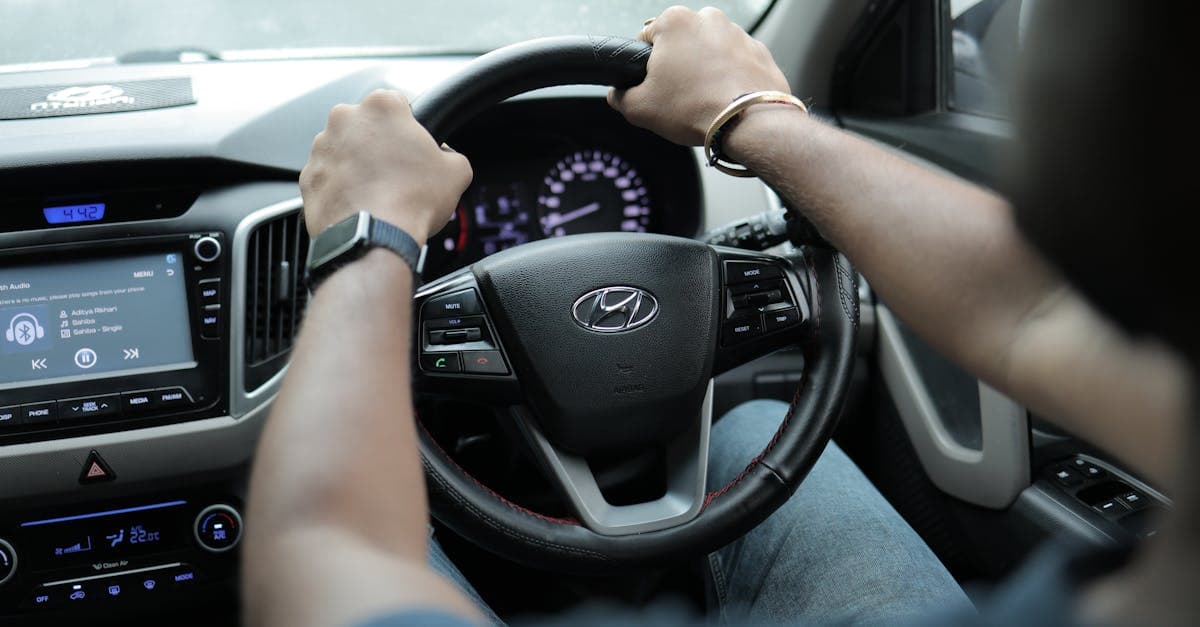
Here is what happens when someone else crashes your car: your insurance pays first. Your deductible applies. The claim goes on your record. Your rates may increase. The borrower walks away with a clean insurance record while you deal with the financial aftermath.
Now here is what you need to do about it. If the crash already happened, document everything immediately — photos, police report, witness information. Contact your insurance company and file a claim. Be honest about who was driving and whether they had your permission. Do not attempt to cover up who was behind the wheel, as this constitutes insurance fraud.
If the crash has not happened yet and you are considering lending your car, weigh the risk. Every time you hand someone your keys, you are accepting the possibility of a claim on your policy. That does not mean you should never lend your car — it means you should lend it with full awareness of the potential consequences.
The rest of this guide covers every aspect of borrowed-car accidents: the claims process, liability questions, deductible recovery, rate impact, legal options, and strategies for protecting yourself financially when someone else is behind your wheel.
Your Liability Exposure When Someone Crashes Your Car
The evidence is clear. As the vehicle owner, you may face personal liability when someone crashes your car — particularly if the accident causes serious injuries that exceed your insurance coverage. Understanding your liability exposure helps you take protective steps before lending your vehicle.
Vicarious liability by state: Many states impose some form of vicarious liability on vehicle owners for accidents caused by authorized drivers. In these states, the injured party can sue both the driver and the vehicle owner. The extent of the owner's liability varies by state — some cap it at the insurance policy limits, while others allow claims against the owner's personal assets.
Negligent entrustment claims: If you lend your car to someone you know or should know is a dangerous driver — someone with a history of DUIs, suspended license, or reckless driving — you may face a negligent entrustment claim. This legal theory holds that you were negligent in trusting an incompetent driver with your vehicle. Negligent entrustment can bypass insurance limits and reach your personal assets.
When coverage limits are exceeded: If the borrower causes an accident resulting in injuries that exceed your liability limits, the excess amount is your financial responsibility. A $100,000 injury claim against $50,000 in per-person liability coverage leaves $50,000 potentially coming from your personal assets.
Umbrella insurance protection: A personal umbrella insurance policy provides additional liability coverage beyond your auto policy limits — typically $1 million or more. For vehicle owners who lend their cars, umbrella coverage provides a crucial additional layer of protection against catastrophic liability claims.
Protecting your assets: The best protection is adequate liability coverage. Carrying only state minimum liability limits — often $10,000 to $25,000 — leaves you dangerously exposed. Higher limits cost relatively little compared to the protection they provide, especially when you consider that anyone driving your car could trigger a claim against those limits.
Injury Claims: When Someone Gets Hurt in a Borrowed Car Crash
This brings us to a critical distinction. When a borrowed-car accident involves injuries to other drivers, passengers, or pedestrians, the stakes escalate dramatically. Injury claims are the most expensive type of auto insurance claim, and understanding how they work when someone else is driving your car is essential.
Your liability coverage responds: Your bodily injury liability coverage pays for injuries the borrower causes to other parties. This includes medical expenses, lost wages, pain and suffering, and rehabilitation costs. Your per-person and per-accident liability limits determine the maximum your insurer will pay.
Injuries to the borrower: If the borrower is injured in the accident, your medical payments or PIP coverage may apply to their injuries, depending on your state and policy. The borrower may also have a claim against the at-fault party if another driver contributed to the accident. Your liability coverage does not pay for the borrower's own injuries.
Injuries to passengers: Passengers in your car at the time of the accident can file claims against your liability coverage or your medical payments coverage. If the borrower's negligence caused the accident and injured a passenger, the passenger's claim falls under your policy because the car — and its insurance — was involved.
The lawsuit risk: Serious injury claims frequently result in lawsuits. As the vehicle owner, you may be named in the lawsuit along with the borrower. Your insurer provides legal defense as part of your liability coverage, but if the judgment exceeds your policy limits, your personal assets may be at risk.
Protecting against catastrophic claims: Carrying adequate bodily injury liability limits is the best protection against catastrophic injury claims from borrowed-car accidents. State minimums are dangerously low for serious accidents. Limits of $100,000 per person and $300,000 per accident, combined with an umbrella policy, provide meaningful protection.
What Happens If a Borrower Totals Your Car
This brings us to a critical distinction. A total loss is the worst-case scenario for a borrowed-car accident. When the damage from the borrower's crash exceeds your vehicle's value, the insurer declares a total loss and pays you the vehicle's actual cash value minus your deductible. Understanding this process prevents additional financial pain.
Total loss declaration: The insurer declares a total loss when repair costs exceed a certain percentage of the vehicle's actual cash value — typically 70 to 80 percent depending on your state. Once the damage crosses this threshold, repairs are not authorized. Instead, the insurer settles the claim with a cash payout.
Actual cash value payout: You receive your vehicle's actual cash value at the time of the loss minus your deductible. If your car was worth $18,000 and your deductible is $500, you receive $17,500. This amount may be less than what you owe on your loan, creating the gap problem described below.
The gap insurance necessity: If you owe more on your vehicle loan than the insurer's ACV payout, you are responsible for the difference. If you owe $22,000 and the payout is $17,500, you owe your lender $4,500 out of pocket. Gap insurance covers this difference and is essential for financed vehicles.
Challenging the valuation: If you believe the insurer's actual cash value determination is too low, you can challenge it. Gather comparable vehicle listings in your area showing higher values. Request the insurer's detailed valuation report and identify specific points to dispute. Many total loss valuations are negotiable.
The borrower's financial responsibility: The borrower who totaled your car may owe you for the deductible and potentially for the gap between the payout and your loan balance. However, collecting these amounts depends on the borrower's willingness and ability to pay. Written agreements before lending the car can help establish financial expectations.
Special Situations: DUI, Hit-and-Run, and Unauthorized Use
The evidence is clear. Certain types of borrowed-car accidents create additional complications beyond the standard claims process. These special situations can affect coverage, create criminal liability, or fundamentally change the insurance dynamics.
Borrower drives drunk: If the borrower is arrested for DUI while driving your car, your insurance still covers the accident under permissive use — you authorized them to drive, even though you did not authorize them to drive drunk. However, the criminal consequences fall on the borrower, and some insurers may scrutinize the claim more closely.
Borrower commits a hit-and-run: If the borrower causes an accident and flees the scene, they face criminal charges for leaving the scene. As the vehicle owner, you may face questions from police because the car is registered to you. Your insurance still covers the accident if permissive use existed, but the insurer may investigate more thoroughly.
Unauthorized use of your vehicle: If someone takes your car without your permission and crashes it, the coverage dynamics change significantly. Since permissive use did not exist, your insurance may not cover liability claims from the accident. Your comprehensive coverage would cover theft-related damage to your vehicle, but liability for injuries caused by the unauthorized driver is more complex.
Borrower uses your car for excluded activities: If the borrower uses your personal vehicle for commercial purposes — delivering packages, driving for a rideshare service, or transporting goods for sale — your personal auto policy may exclude coverage for the accident. The business use exclusion can void your permissive use coverage.
Borrower has a suspended license: If you lend your car to someone whose license is suspended and they crash, coverage may be affected. Some policies exclude coverage for unlicensed drivers, while others cover them under permissive use as long as you gave permission. This is also a potential negligent entrustment situation.
Who Pays the Deductible After a Borrower's Crash
This brings us to a critical distinction. One of the most contentious issues after a borrowed-car accident is who pays the collision deductible. Your insurance requires you to pay the deductible before coverage kicks in, but whether the borrower should reimburse you is a separate question.
Your obligation to the insurer: Your collision deductible is your financial responsibility under your policy. Whether it is $500, $1,000, or more, you must pay it before the insurer covers the remaining repair costs. The insurer does not care who was driving — they care about the contractual deductible amount.
The borrower's moral obligation: While there is no automatic legal requirement for the borrower to pay your deductible, most people consider it the right thing to do. The borrower caused the accident using your vehicle, and the deductible is a direct financial consequence of their actions.
Negotiating reimbursement: Have a direct conversation with the borrower about the deductible. Most reasonable people will agree to reimburse you, especially if the accident was clearly their fault. Get any agreement in writing to avoid misunderstandings later. If the borrower has renters or personal liability insurance, it may cover the deductible.
Small claims court option: If the borrower refuses to pay your deductible and you want to pursue it legally, small claims court is typically the appropriate venue. The process is straightforward and does not require an attorney. You will need documentation of the accident, the deductible payment, and evidence that the borrower was driving.
Subrogation possibility: If the borrower was at fault and has their own insurance, your insurer may pursue subrogation against the borrower or their insurer to recover claim payments. If successful, your deductible may be refunded through the subrogation process.
Vicarious Liability: When the Owner Gets Sued
The evidence is clear. Vicarious liability is a legal doctrine that can hold you, the vehicle owner, liable for accidents caused by someone else driving your car with permission. This liability exists separate from your insurance and can reach your personal assets.
How vicarious liability works: In states with vicarious liability statutes, the injured party can sue both the driver and the vehicle owner. The theory is that as the owner, you had control over who used your vehicle and bear some responsibility for the consequences of lending it. Your insurance defends and pays these claims up to your policy limits.
State-by-state variation: Vicarious liability laws vary dramatically by state. Some states impose strict liability on vehicle owners for any accident by a permissive user. Others limit the owner's liability to insurance policy limits. A few states have abolished or severely limited vicarious liability. Knowing your state's approach is essential.
The negligent entrustment escalation: Negligent entrustment is a separate but related theory that imposes liability when you lend your car to someone you know or should know is an incompetent driver. Unlike standard vicarious liability, negligent entrustment claims are based on your own negligence in lending the vehicle, not just your status as owner. These claims can exceed insurance limits.
Protecting yourself legally: Adequate liability insurance is your first defense. An umbrella policy is your second. Beyond insurance, the best protection is screening who drives your vehicle. Do not lend your car to drivers you know to be impaired, unlicensed, or historically reckless. If you do, negligent entrustment exposure increases dramatically.
When to consult an attorney: If you receive a lawsuit related to someone else crashing your car, contact your insurer immediately — they are obligated to provide legal defense under your policy. If the damages claimed exceed your policy limits, consult a personal attorney to protect your individual interests.
Your Insurance Pays First: The Primary Coverage Rule
The evidence is clear. When someone else crashes your car, the most important fact to understand is that your auto insurance is the insurance recipe that salvages your finances when a guest chef burns the kitchen. Your policy is primary coverage for your vehicle, which means it responds first to any claim — regardless of who was driving at the time of the accident.
Liability coverage: Your liability insurance pays for injuries and property damage the borrower causes to other parties. If the borrower rear-ends another car and the other driver sustains injuries, your liability coverage pays the medical bills and property damage up to your policy limits.
Collision coverage: Your collision insurance pays for damage to your own vehicle. Your collision deductible applies, and the repair or replacement payout comes from your policy. The borrower does not need to have collision coverage on their own policy for your vehicle to be covered.
The borrower's insurance is secondary: The borrower's own auto insurance serves as secondary or excess coverage. It only activates if the damages from the accident exceed your policy limits. For most accidents, your policy covers the full amount and the borrower's insurance is never involved.
Claims history impact: Because the claim is filed against your policy, it appears on your claims history — not the borrower's. This distinction has long-term financial implications because future insurers and premium calculations are based on your claims record. A borrowed-car accident counts the same as if you had been driving.
The practical reality: This means you are accepting the full insurance consequences of any accident when you lend your car. The borrower's driving behavior, attention, and decisions are transferred to your insurance record the moment they cause an accident in your vehicle.
Filing an Insurance Claim After a Borrower's Accident
This brings us to a critical distinction. The claims process after a borrowed-car accident follows specific steps. Handling them correctly — and honestly — ensures you receive full coverage and avoid complications that could delay or reduce your settlement.
Immediate steps at the scene: If you are present, call police if there are injuries or significant damage. Exchange information with all parties involved. Document everything with photographs — damage to all vehicles, the accident scene, road conditions, and any visible injuries. Get contact information from witnesses.
If the borrower calls you: Tell the borrower to stay at the scene, call police if appropriate, exchange information with the other parties, and document everything with photos. Do not discuss fault or insurance details with anyone other than the police. The borrower should not admit fault at the scene.
Contacting your insurer: Call your insurance company as soon as possible to report the claim. Be completely honest about who was driving and the circumstances. Attempting to hide the fact that someone else was driving constitutes fraud and can result in claim denial, policy cancellation, and criminal charges.
Information your insurer will need: The insurer will ask for the date, time, and location of the accident; the name and driver's license information of the person who was driving; whether they had your permission to use the vehicle; a description of what happened; and the police report number if one was filed.
Working with the adjuster: An adjuster will be assigned to evaluate the damage and determine the payout. Provide all documentation, photographs, and the police report. If the adjuster requests a statement from the borrower, the borrower should cooperate. Refusal to cooperate can delay the claim.
The Strategic Approach to Lending Your Vehicle
Every time you hand someone your keys, you are making a calculated risk decision. The strategic approach to vehicle lending balances generosity with financial prudence.
Know your coverage limits and accept that those limits define your maximum exposure when a borrower crashes your car. Verify that the borrower has their own insurance to provide secondary coverage. Communicate expectations about what happens if an accident occurs.
The goal is not to never lend your car — it is to lend it with full awareness of the consequences and with adequate insurance to manage those consequences. Informed lending is responsible lending.
Continue reading

Replacement Cost vs Actual Cash Value: The Quote Difference That Costs Thousands
The difference between replacement cost and actual cash value coverage can mean tens of thousands of dollars in a claim. Identifying which type each quote offers is one of the most important comparisons you can make.
Policy Checkup After a Major Home Renovation: Updating Your Dwelling Coverage
Home renovations increase your dwelling's replacement cost and may add valuable features that need specific coverage. Updating your policy after renovations prevents underinsurance.

How Assignment of Benefits Affects Your Insurance Claim Settlement
When you sign an AOB, you lose direct involvement in the settlement negotiation. The contractor and insurer negotiate the payout, and you may have limited recourse if the result is inadequate.