Multi-Vehicle Accidents in Florida: Who Pays for What?

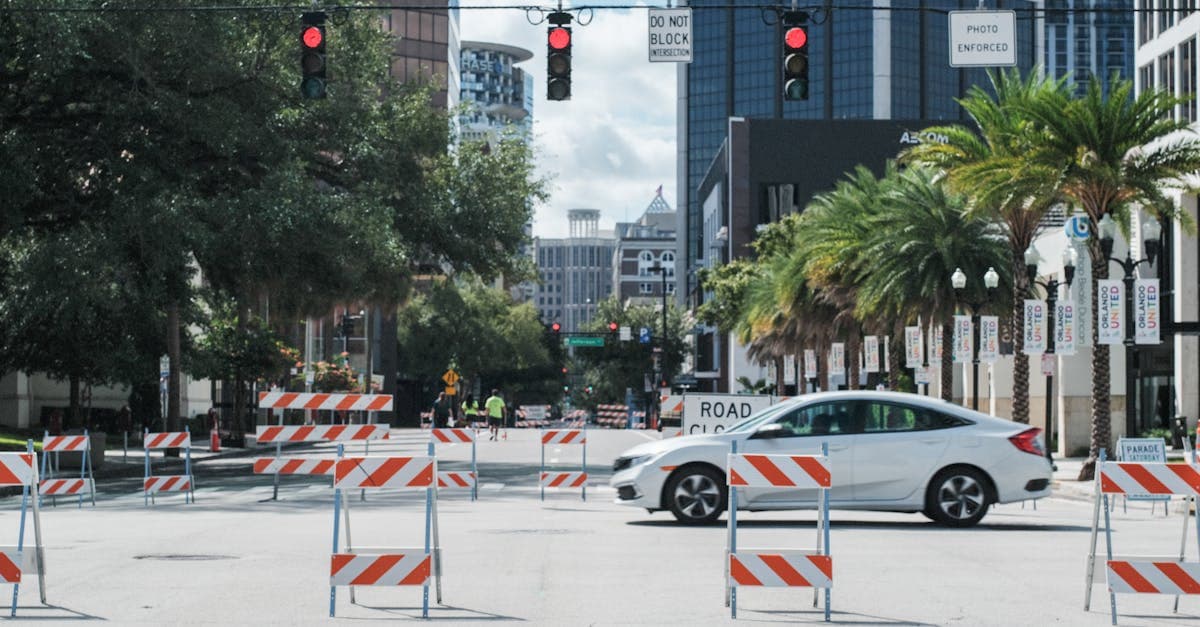
Here is what to do after a Florida car accident in the simplest possible terms: check for injuries, call 911, document everything, exchange information, see a doctor within fourteen days, and contact your insurance company. Those are the essential steps.
Now here is why each step matters more than you think. Checking for injuries determines whether emergency medical care is needed immediately. Calling 911 creates an official record of the accident. Documenting the scene with photos and notes preserves evidence before it disappears. Exchanging information ensures you can file claims. Seeing a doctor within fourteen days activates your PIP benefits. And contacting your insurer starts the claims process.
Miss any of these steps and your recovery can be compromised. Skip the doctor visit for fifteen days and your PIP benefits vanish. Fail to collect the other driver's information and your property damage claim becomes harder to pursue. Skip the police report and you may face difficulties proving the accident occurred.
This guide covers every step in detail, with Florida-specific rules, deadlines, and strategies that maximize your recovery. Read it before you need it, or use it as a reference if you are dealing with an accident right now.
How Fault Is Determined After a Florida Accident
The evidence is clear. While Florida's no-fault system handles medical bills without regard to fault, fault determination still matters significantly for property damage claims, bodily injury lawsuits, and premium impact. Understanding how fault is determined is following the precise recipe for maximizing your recovery after a Florida car accident.
Police investigation: Responding officers investigate the accident and document their findings in the Florida Traffic Crash Report. The report includes a diagram of the accident, witness statements, officer observations, and in some cases a determination of which driver violated traffic law. This report is influential but not binding for insurance purposes.
Insurance investigation: Each insurer conducts its own investigation to determine fault. They review the police report, damage photographs, driver statements, witness accounts, and any available video evidence. The insurer's fault determination may differ from the police report, particularly in complex accidents.
Florida's comparative negligence system: Florida uses a comparative negligence system that assigns fault percentages to each party involved. If you are 20 percent at fault and the other driver is 80 percent at fault, your recovery is reduced by 20 percent. Under Florida's modified comparative negligence system (effective 2023), if you are more than 50 percent at fault, you generally cannot recover damages from the other party.
Rear-end collision presumption: Florida law creates a rebuttable presumption that the rear driver in a rear-end collision is at fault. The rear driver can overcome this presumption by presenting evidence that the lead driver acted negligently — such as brake-checking or making a sudden lane change — but the initial burden is on the rear driver.
The importance of evidence: Fault determination often comes down to evidence. Photographs, witness statements, dash cam footage, traffic camera recordings, and physical evidence at the scene all contribute to the fault analysis. Thorough documentation at the scene gives you the strongest position in any fault dispute.
Accidents with Uninsured Drivers in Florida
This brings us to a critical distinction. Despite Florida's mandatory insurance requirements, a substantial percentage of Florida drivers are uninsured at any given time. Being hit by an uninsured driver creates specific coverage challenges that require understanding your own policy options.
Your PIP coverage still applies: Regardless of the other driver's insurance status, your PIP coverage pays your medical bills and lost wages up to your policy limit. The no-fault system ensures immediate medical coverage without regard to the other driver's insurance status.
Uninsured motorist coverage: If you carry uninsured motorist coverage, it steps into the shoes of the insurance the at-fault driver should have had. UM coverage pays for your injuries and damages as if the uninsured driver had carried liability insurance. Florida does not require UM coverage, but insurers must offer it and it is strongly recommended.
Collision coverage for vehicle damage: Your collision coverage pays for your vehicle repairs when the at-fault driver has no insurance. You pay your collision deductible, and your insurer covers the repair. Without collision coverage, you must pursue the uninsured driver personally for vehicle damage costs.
Pursuing the uninsured driver personally: You can sue the uninsured driver for damages, but collecting a judgment against someone who cannot afford auto insurance is often impractical. The uninsured driver may have no assets, making a lawsuit costly with little prospect of recovery.
Stacking UM coverage in Florida: Florida allows stacking of uninsured motorist coverage across multiple vehicles on your policy. If you have three vehicles with $100,000 in UM coverage each, you may be able to stack the coverages for $300,000 in total UM protection. Stacking rules in Florida can be complex, so review your policy or consult an agent.
Property Damage Claims After a Florida Accident
This brings us to a critical distinction. While PIP handles medical bills under the no-fault system, property damage in Florida follows traditional fault-based rules. The at-fault driver's property damage liability coverage pays for damage to the other driver's vehicle.
Florida's property damage liability requirement: Florida requires drivers to carry a minimum of $10,000 in property damage liability coverage. This coverage pays for damage the insured driver causes to other people's vehicles and property. The $10,000 minimum is extremely low given modern vehicle values and repair costs.
Filing against the at-fault driver: If the other driver caused the accident, you can file a property damage claim against their insurance. Their property damage liability coverage pays for your vehicle repairs up to their policy limit. You do not need to pay a deductible when filing against the at-fault driver's policy.
Using your own collision coverage: If you have collision coverage on your own policy, you can file the property damage claim through your own insurer instead. You pay your collision deductible, and your insurer handles the repair. Your insurer then pursues subrogation against the at-fault driver's insurer to recover the claim payment and potentially your deductible.
When the at-fault driver is uninsured: If the at-fault driver has no insurance, your own collision coverage is your primary option for vehicle repairs. Uninsured motorist property damage coverage, if you carry it, may also apply. Without either coverage, you must pursue the uninsured driver personally for reimbursement.
Total loss determinations: If your vehicle's repair costs exceed its actual cash value, the insurer declares a total loss. In Florida, the total loss threshold varies by insurer but is typically around 80 percent of the vehicle's value. You receive the vehicle's actual cash value minus any applicable deductible.
Seeking Medical Attention After a Florida Accident
The evidence is clear. Medical attention after a Florida car accident serves dual purposes: protecting your health and protecting your insurance claim. The documentation generated by medical treatment is the foundation of your PIP claim and any subsequent injury claim.
Emergency room visits: If you have any immediate symptoms — pain, dizziness, confusion, difficulty breathing — go to the emergency room. ER visits clearly satisfy the fourteen-day rule and create comprehensive documentation of your initial condition. ER records are given significant weight in insurance claims because they represent the earliest medical assessment.
Urgent care as an alternative: For less severe symptoms, an urgent care facility can provide a timely evaluation that satisfies the fourteen-day rule. Urgent care visits are typically less expensive than ER visits, preserving more of your PIP benefit for ongoing treatment.
Follow-up care: The initial medical visit activates your PIP benefits, but follow-up care is equally important. Consistent treatment records that show the progression of your injuries strengthen your claim. Gaps in treatment give insurers ammunition to argue that your injuries were not serious or were caused by something other than the accident.
Documenting symptoms accurately: Tell your healthcare provider about every symptom you are experiencing, no matter how minor it seems. Headaches, neck stiffness, back pain, numbness, tingling, anxiety, and sleep disturbances should all be reported. Symptoms not documented at early visits become harder to link to the accident later.
Specialist referrals: If your injuries require specialist care — orthopedic consultation, neurological evaluation, physical therapy — follow through on these referrals promptly. Delayed specialist treatment can be used by insurers to argue that the need was not urgent or that the injury improved without intervention.
The 14-Day Rule: Florida's Most Critical Deadline
This brings us to a critical distinction. Florida's fourteen-day rule is the spoiled outcome that results from missing a critical step in the post-accident process. It is the single most important deadline after a Florida car accident, and missing it eliminates your primary source of medical coverage.
What the rule requires: Florida Statute 627.736 requires accident victims to seek initial medical treatment or services from certain qualified medical providers within fourteen days of the accident. If you fail to meet this deadline, your PIP insurer has no obligation to pay any medical benefits from the accident.
Qualifying medical providers: The fourteen-day rule requires treatment from specific providers to activate PIP benefits. Licensed physicians, osteopathic physicians, dentists, and hospitals qualify. Initial treatment from chiropractors or other providers may meet the requirement depending on the circumstances. Emergency room visits clearly satisfy the rule.
Why the deadline exists: Florida implemented the fourteen-day rule to combat insurance fraud. The legislature determined that genuine accident injuries would prompt medical attention within two weeks, and delayed treatment claims were more likely to be fraudulent or exaggerated. Whatever the legislative intent, the rule is strictly enforced.
How injuries develop after an accident: Many legitimate injuries do not produce symptoms immediately. Whiplash, soft tissue injuries, and even some fractures may not become apparent for days or weeks after the initial trauma. Adrenaline masks pain at the scene, and inflammation builds gradually. This biological reality makes the fourteen-day deadline especially dangerous for people who feel fine after the accident.
The practical advice: See a doctor within the fourteen-day window even if you think your injuries are minor. A medical evaluation creates the documented treatment record that activates your PIP benefits. If symptoms worsen later, you have an established medical record linking them to the accident. The cost of a precautionary doctor visit is trivial compared to losing $10,000 in PIP coverage.
Hit-and-Run Accidents in Florida
The evidence is clear. Florida has one of the highest hit-and-run rates in the nation, making this a common and frustrating scenario for accident victims. Understanding what to do and what coverage applies helps you recover when the at-fault driver flees.
Immediate steps: If the other driver flees, try to note their vehicle's make, model, color, and license plate number. Do not pursue the fleeing driver — this creates additional safety risks. Call 911 immediately to report the hit-and-run. Document all vehicle damage and scene details with photographs.
Police report is essential: A police report is critical for hit-and-run claims. The report establishes that the accident occurred, documents the evidence of the other vehicle's involvement, and initiates a potential investigation to identify the fleeing driver. Without a police report, your claim may face additional challenges.
Uninsured motorist coverage: If the hit-and-run driver is never identified, your uninsured motorist coverage is your primary source of recovery for injuries. Florida does not require UM coverage, but carriers must offer it, and drivers who carry it are protected against unidentified drivers. UM coverage pays for medical expenses and damages the same way the at-fault driver's insurance would have.
PIP still applies: Your PIP coverage pays your medical bills regardless of the hit-and-run situation. The fourteen-day rule still applies — see a doctor promptly. PIP does not require identification of the other driver because it operates under the no-fault principle.
Property damage recovery: For vehicle damage from a hit-and-run, your collision coverage is typically the primary option if the other driver is not identified. You pay your deductible and your insurer covers the repairs. If the hit-and-run driver is later identified, subrogation can recover your deductible.
Immediate Steps at the Accident Scene
The evidence is clear. The actions you take at the accident scene form the recipe that combines the right ingredients in the right order for a successful Florida claim. These steps protect your health, your legal rights, and your insurance claim from the very first moments after impact.
Check for injuries first: Before anything else, check yourself and your passengers for injuries. If anyone is hurt, call 911 immediately. Do not move seriously injured people unless they are in immediate danger from fire or traffic. Florida law requires drivers to render reasonable assistance to injured persons.
Call 911 and stay at the scene: Florida law requires you to stop and remain at the scene of any accident involving injury, death, or property damage. Leaving the scene is a criminal offense that can result in felony charges if injuries are involved. Call 911 to report the accident — this creates an official record and dispatches police if needed.
Move vehicles if safe to do so: Florida's Move It law requires drivers to move their vehicles out of traffic lanes if the accident involves only property damage and the vehicles are drivable. Failure to move creates additional hazards and potential liability for any secondary accidents.
Document the scene thoroughly: Take photographs of all vehicle damage, the accident location, road conditions, traffic signals, weather conditions, and any visible injuries. Capture wide shots showing the overall scene and close-ups of specific damage. This evidence is invaluable for your claim and may disappear quickly.
Exchange information with all parties: Florida law requires the exchange of names, addresses, vehicle registration numbers, and insurance information. Collect driver's license numbers, phone numbers, and the names of all passengers. Get contact information from any witnesses. Do not admit fault or discuss the details of the accident beyond what the police require.
Dealing with Insurance Adjusters After a Florida Accident
This brings us to a critical distinction. Insurance adjusters will contact you soon after your Florida accident. Their approach may seem helpful, but their primary goal is to minimize the insurer's payout. Understanding their tactics helps you protect your claim value.
The initial contact: The adjuster's first call typically comes within days of the accident. They will express concern for your well-being, ask about your injuries, and begin gathering information about the accident. This call establishes the tone of the claims relationship and gives the adjuster their first opportunity to assess your claim.
Recorded statement requests: Adjusters frequently request recorded statements about the accident. You are generally required to cooperate with your own insurer under the terms of your policy, but the at-fault driver's insurer has no right to a recorded statement from you. Even when providing a required statement to your own insurer, be factual, concise, and do not speculate or minimize your injuries.
Early settlement offers: Adjusters may offer quick settlements, especially for minor accidents. These offers are typically well below the full value of the claim and are designed to close the file before the complete extent of your damages is known. Do not accept any settlement without understanding the full scope of your injuries and damages.
Medical records requests: Adjusters will request authorization to obtain your medical records. Be cautious about signing broad authorizations that give the insurer access to your entire medical history. They are entitled to records related to the accident, but pre-existing condition information can be used to minimize your claim.
Protecting your interests: Keep detailed records of all communication with adjusters. Do not volunteer information beyond what is asked. Do not discuss your injuries in detail until you have a complete medical picture. And if the claim involves significant injuries or disputed fault, consider consulting an attorney before providing extensive information to the adjuster.
The Strategic Approach to Florida Accident Recovery
Successful recovery after a Florida accident requires strategic thinking, not just reactive steps. Every decision — from when to see a doctor to whether to accept a settlement — should be made with full understanding of its consequences.
The strategic approach starts with immediate action: medical attention, documentation, and police reporting within the first hours. It continues with careful management of the claims process: cooperating with your insurer while protecting your interests, preserving evidence, and meeting every deadline.
For serious injuries, the strategy includes evaluating whether your injuries meet the bodily injury threshold, consulting an attorney if appropriate, and pursuing the full value of your claim rather than accepting the first offer. For minor accidents, the strategy may be simpler — file the claim, repair the vehicle, and move on.
The common thread in all successful Florida accident recoveries is preparation and timely action. The drivers who fare best are those who understood the system before they needed it.
Continue reading

Replacement Cost vs Actual Cash Value: The Quote Difference That Costs Thousands
The difference between replacement cost and actual cash value coverage can mean tens of thousands of dollars in a claim. Identifying which type each quote offers is one of the most important comparisons you can make.
Policy Checkup After a Major Home Renovation: Updating Your Dwelling Coverage
Home renovations increase your dwelling's replacement cost and may add valuable features that need specific coverage. Updating your policy after renovations prevents underinsurance.
How Assignment of Benefits Affects Your Insurance Claim Settlement
When you sign an AOB, you lose direct involvement in the settlement negotiation. The contractor and insurer negotiate the payout, and you may have limited recourse if the result is inadequate.