Does Other Structures Coverage Protect Your Driveway and Walkways?

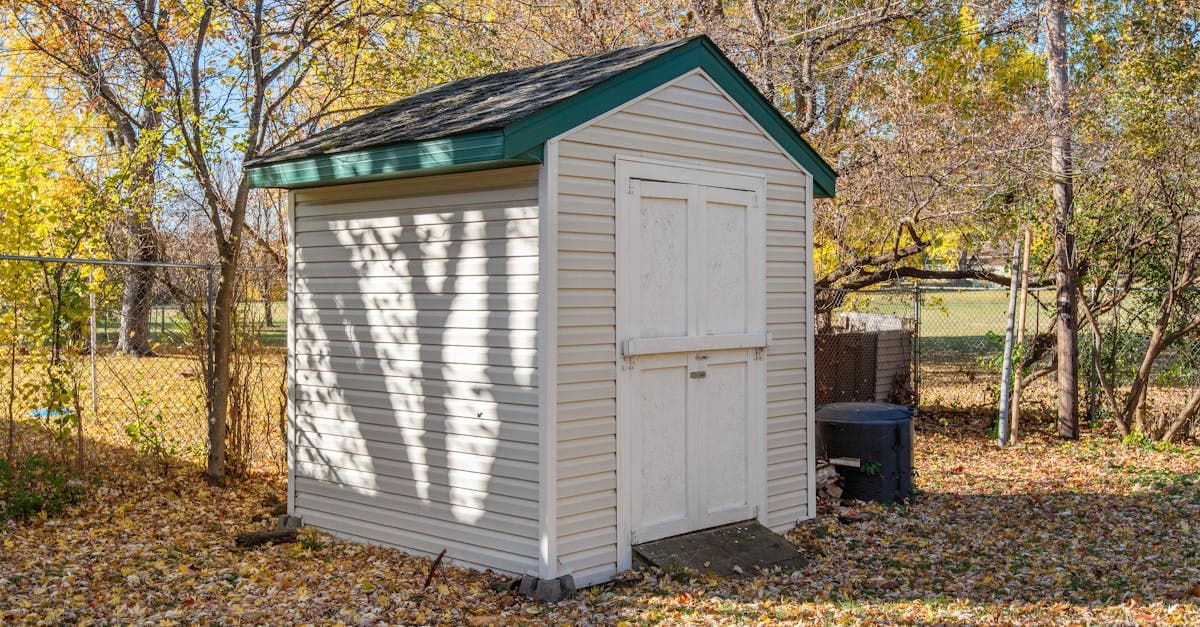
Here is other structures coverage in thirty seconds: Coverage B on your homeowners policy pays to repair or replace detached structures on your property — garages, sheds, fences, gazebos, workshops, and other buildings that are not physically attached to your main home — when they are damaged by a covered peril like wind, fire, hail, or falling trees.
Now here is why thirty seconds is not enough. Your Coverage B limit is typically set at 10 percent of your dwelling coverage limit. On a $400,000 dwelling policy, that gives you $40,000 for all detached structures combined. If your detached garage costs $35,000 to rebuild and your fence costs $10,000 to replace, you are already $5,000 over your limit before considering any other structures.
Coverage B uses the same covered perils as your dwelling coverage. Wind, hail, fire, lightning, falling objects, vehicle impact, vandalism, and other standard perils are included. Flood and earthquake damage are excluded, just as they are under dwelling coverage.
Your deductible applies to Coverage B claims the same way it applies to dwelling claims. On smaller claims — a section of damaged fence or a shed with minor roof damage — the deductible can represent a significant portion of the claim.
This guide covers every aspect of other structures coverage so you can verify your limit, identify gaps, and ensure every detached building on your property is adequately protected.
Attached vs Detached: How to Determine Which Coverage Applies
This brings us to a critical distinction. The dividing line between dwelling coverage and other structures coverage is physical attachment to the main home. Understanding this distinction prevents confusion during the claims process and ensures each structure is covered under the correct policy section.
The attachment test: If a structure shares a wall, roof, or structural connection with your main home, it falls under dwelling coverage (Coverage A). If it is separated from the main home by clear space — even if connected by a sidewalk, breezeway, or fence — it is an other structure under Coverage B.
Attached garages vs detached garages: An attached garage that shares a wall with your home is covered under dwelling coverage. A detached garage that stands separately — even if only a few feet from the house — is covered under Coverage B. This distinction applies even if a covered walkway connects the two.
Covered porches and patios: A covered porch that shares a roof or wall with the main home is dwelling coverage territory. A freestanding patio cover, pergola, or pavilion in the backyard is an other structure under Coverage B.
Breezeways and connecting structures: A breezeway that physically connects your home to a detached garage creates a gray area. In most policies, the breezeway may be considered part of the dwelling if it is permanently attached and enclosed, or it may be classified as an other structure if it is open-sided or not permanently enclosed.
The practical impact: Misclassifying a structure can create coverage problems during a claim. If you assume your detached garage is covered under your dwelling coverage limit, you may not realize that its loss reduces your Coverage B limit — potentially leaving other detached structures underfunded.
When in doubt, ask: If you are unsure whether a structure qualifies as attached or detached for coverage purposes, ask your insurance agent for clarification. The agent can review your policy language and confirm which coverage section applies to each structure on your property.
Guest Houses, ADUs, and Rental Structures Under Coverage B
The evidence is clear. Detached guest houses, accessory dwelling units, and structures used for rental income introduce additional complexity to other structures coverage. Understanding how Coverage B applies to these structures prevents gaps that could prove costly. Ignoring these nuances is the incomplete recipe that covers the main entrée but forgets the side structures, leaving your property half-served when disaster arrives.
Guest house coverage: A detached guest house used exclusively by friends and family at no charge is typically covered under Coverage B as a standard other structure. The structure's replacement cost should be included in your Coverage B limit calculation.
Accessory dwelling units: Detached ADUs — small separate living units on your property — are increasingly common. If the ADU is used by family members at no charge, standard Coverage B typically applies. If the ADU is rented to tenants, additional coverage considerations arise.
Rental use complications: When you rent a detached structure to a tenant, standard homeowners Coverage B may limit or exclude coverage. Some policies exclude structures that generate rental income, while others cover the structure but exclude liability related to tenant injuries. Disclosure to your insurer is essential.
Landlord policy considerations: If you regularly rent a detached structure on your property, you may need a landlord endorsement or a separate landlord policy to fully protect the rental structure and cover your liability as a landlord. Standard homeowners coverage was not designed for rental operations.
Short-term rental platforms: Using a detached structure for Airbnb, VRBO, or other short-term rental platforms can void Coverage B protection if not disclosed. Many insurers require a specific short-term rental endorsement or policy for structures used in the sharing economy.
Valuation of living structures: Guest houses and ADUs with kitchens, bathrooms, bedrooms, and living spaces have significantly higher replacement costs than simple sheds or garages. A detached ADU can cost $100,000 to $200,000 or more to rebuild, potentially exceeding your Coverage B limit entirely on its own.
Attached vs Detached: How to Determine Which Coverage Applies
This brings us to a critical distinction. The dividing line between dwelling coverage and other structures coverage is physical attachment to the main home. Understanding this distinction prevents confusion during the claims process and ensures each structure is covered under the correct policy section.
The attachment test: If a structure shares a wall, roof, or structural connection with your main home, it falls under dwelling coverage (Coverage A). If it is separated from the main home by clear space — even if connected by a sidewalk, breezeway, or fence — it is an other structure under Coverage B.
Attached garages vs detached garages: An attached garage that shares a wall with your home is covered under dwelling coverage. A detached garage that stands separately — even if only a few feet from the house — is covered under Coverage B. This distinction applies even if a covered walkway connects the two.
Covered porches and patios: A covered porch that shares a roof or wall with the main home is dwelling coverage territory. A freestanding patio cover, pergola, or pavilion in the backyard is an other structure under Coverage B.
Breezeways and connecting structures: A breezeway that physically connects your home to a detached garage creates a gray area. In most policies, the breezeway may be considered part of the dwelling if it is permanently attached and enclosed, or it may be classified as an other structure if it is open-sided or not permanently enclosed.
The practical impact: Misclassifying a structure can create coverage problems during a claim. If you assume your detached garage is covered under your dwelling coverage limit, you may not realize that its loss reduces your Coverage B limit — potentially leaving other detached structures underfunded.
When in doubt, ask: If you are unsure whether a structure qualifies as attached or detached for coverage purposes, ask your insurance agent for clarification. The agent can review your policy language and confirm which coverage section applies to each structure on your property.
Guest Houses, ADUs, and Rental Structures Under Coverage B
The evidence is clear. Detached guest houses, accessory dwelling units, and structures used for rental income introduce additional complexity to other structures coverage. Understanding how Coverage B applies to these structures prevents gaps that could prove costly. Ignoring these nuances is the incomplete recipe that covers the main entrée but forgets the side structures, leaving your property half-served when disaster arrives.
Guest house coverage: A detached guest house used exclusively by friends and family at no charge is typically covered under Coverage B as a standard other structure. The structure's replacement cost should be included in your Coverage B limit calculation.
Accessory dwelling units: Detached ADUs — small separate living units on your property — are increasingly common. If the ADU is used by family members at no charge, standard Coverage B typically applies. If the ADU is rented to tenants, additional coverage considerations arise.
Rental use complications: When you rent a detached structure to a tenant, standard homeowners Coverage B may limit or exclude coverage. Some policies exclude structures that generate rental income, while others cover the structure but exclude liability related to tenant injuries. Disclosure to your insurer is essential.
Landlord policy considerations: If you regularly rent a detached structure on your property, you may need a landlord endorsement or a separate landlord policy to fully protect the rental structure and cover your liability as a landlord. Standard homeowners coverage was not designed for rental operations.
Short-term rental platforms: Using a detached structure for Airbnb, VRBO, or other short-term rental platforms can void Coverage B protection if not disclosed. Many insurers require a specific short-term rental endorsement or policy for structures used in the sharing economy.
Valuation of living structures: Guest houses and ADUs with kitchens, bathrooms, bedrooms, and living spaces have significantly higher replacement costs than simple sheds or garages. A detached ADU can cost $100,000 to $200,000 or more to rebuild, potentially exceeding your Coverage B limit entirely on its own.
What Other Structures Coverage Protects on Your Property
The evidence is clear. Other structures coverage is the complete meal plan that includes side dishes for every detached structure, not just the main course of dwelling coverage. It pays to repair or replace detached buildings and structures on your property when damage results from a covered peril. Understanding exactly what qualifies as an other structure ensures you know the full scope of your Coverage B protection.
Detached garages: A garage that does not share a wall or roofline with your main home is an other structure. This includes standalone single-car, two-car, and three-car garages. If a tree crashes through the roof or fire damages the structure, Coverage B pays for repairs.
Storage sheds and outbuildings: Backyard sheds, tool houses, storage buildings, and utility structures are all covered under Coverage B. These structures are common targets for wind damage, fallen trees, and hail.
Fences and gates: All fencing on your property — wood privacy fences, chain link, vinyl, wrought iron, and decorative fencing — falls under other structures coverage. Gates, fence posts, and attached hardware are included.
Gazebos, pergolas, and pavilions: Freestanding outdoor structures used for relaxation and entertainment are covered. These structures are particularly vulnerable to wind damage and fallen tree branches.
Driveways, walkways, and patios: Paved surfaces not attached to the main home may qualify as other structures. Damage from covered perils like tree impact or vehicle collision can trigger a Coverage B claim.
Swimming pool structures: In-ground pools, detached pool houses, and pool equipment enclosures fall under Coverage B. The pool shell, coping, decking, and any detached housing structures are included.
Detached Workshops, Studios, and Special-Use Buildings
This brings us to a critical distinction. Detached buildings used for workshops, art studios, home offices, and hobbies are covered under Coverage B for structural damage, but their special use can create coverage complications that homeowners need to understand.
Workshop coverage: A detached workshop costs $15,000 to $40,000 or more to build depending on size, insulation, electrical capacity, and finishing. Coverage B protects the structure itself — walls, roof, foundation, electrical, and plumbing — when damaged by covered perils.
The business use question: If you use a detached building for any business activity — even a part-time side business — standard Coverage B may limit or exclude coverage. Business-use structures may require a home business endorsement or a separate commercial policy for full protection.
Home office buildings: The rise of remote work has increased the number of detached home office buildings. If the office is used exclusively for personal remote employment with no clients visiting, standard Coverage B typically applies. If clients visit the building or if it functions as a commercial office, additional coverage may be needed.
Art studios and creative spaces: A detached art studio or music room is covered as a structure under Coverage B. However, the equipment, instruments, supplies, and artwork inside fall under personal property coverage or may need scheduled coverage if their value is significant.
Contents vs structure distinction: Coverage B protects only the physical structure of special-use buildings. A workshop full of $20,000 in tools, an art studio with $15,000 in supplies, or a music room with $30,000 in instruments — these contents are not covered by Coverage B. They fall under Coverage C personal property with its own limits and may need additional scheduling.
Disclosure to your insurer: Regardless of use, inform your insurance agent about every detached building on your property. Undisclosed structures can create claims complications if the insurer argues that the building's existence or use should have been reported.
What Other Structures Coverage Protects on Your Property
The evidence is clear. Other structures coverage is the complete meal plan that includes side dishes for every detached structure, not just the main course of dwelling coverage. It pays to repair or replace detached buildings and structures on your property when damage results from a covered peril. Understanding exactly what qualifies as an other structure ensures you know the full scope of your Coverage B protection.
Detached garages: A garage that does not share a wall or roofline with your main home is an other structure. This includes standalone single-car, two-car, and three-car garages. If a tree crashes through the roof or fire damages the structure, Coverage B pays for repairs.
Storage sheds and outbuildings: Backyard sheds, tool houses, storage buildings, and utility structures are all covered under Coverage B. These structures are common targets for wind damage, fallen trees, and hail.
Fences and gates: All fencing on your property — wood privacy fences, chain link, vinyl, wrought iron, and decorative fencing — falls under other structures coverage. Gates, fence posts, and attached hardware are included.
Gazebos, pergolas, and pavilions: Freestanding outdoor structures used for relaxation and entertainment are covered. These structures are particularly vulnerable to wind damage and fallen tree branches.
Driveways, walkways, and patios: Paved surfaces not attached to the main home may qualify as other structures. Damage from covered perils like tree impact or vehicle collision can trigger a Coverage B claim.
Swimming pool structures: In-ground pools, detached pool houses, and pool equipment enclosures fall under Coverage B. The pool shell, coping, decking, and any detached housing structures are included.
Detached Workshops, Studios, and Special-Use Buildings
This brings us to a critical distinction. Detached buildings used for workshops, art studios, home offices, and hobbies are covered under Coverage B for structural damage, but their special use can create coverage complications that homeowners need to understand.
Workshop coverage: A detached workshop costs $15,000 to $40,000 or more to build depending on size, insulation, electrical capacity, and finishing. Coverage B protects the structure itself — walls, roof, foundation, electrical, and plumbing — when damaged by covered perils.
The business use question: If you use a detached building for any business activity — even a part-time side business — standard Coverage B may limit or exclude coverage. Business-use structures may require a home business endorsement or a separate commercial policy for full protection.
Home office buildings: The rise of remote work has increased the number of detached home office buildings. If the office is used exclusively for personal remote employment with no clients visiting, standard Coverage B typically applies. If clients visit the building or if it functions as a commercial office, additional coverage may be needed.
Art studios and creative spaces: A detached art studio or music room is covered as a structure under Coverage B. However, the equipment, instruments, supplies, and artwork inside fall under personal property coverage or may need scheduled coverage if their value is significant.
Contents vs structure distinction: Coverage B protects only the physical structure of special-use buildings. A workshop full of $20,000 in tools, an art studio with $15,000 in supplies, or a music room with $30,000 in instruments — these contents are not covered by Coverage B. They fall under Coverage C personal property with its own limits and may need additional scheduling.
Disclosure to your insurer: Regardless of use, inform your insurance agent about every detached building on your property. Undisclosed structures can create claims complications if the insurer argues that the building's existence or use should have been reported.
The Strategic Approach to Other Structures Coverage
The most important insight from this guide is that your Coverage B limit is a formula-based default that may not reflect the actual value of detached structures on your property. Treating it as a verified, reviewed coverage rather than an automatic afterthought is the strategic approach.
For homeowners with minimal detached structures — a small shed and a basic fence — the default 10 percent limit may be adequate. Verify this with a quick replacement cost estimate, and move on.
For homeowners with significant detached structures — a detached garage, workshop, pool house, extensive fencing, or multiple outbuildings — the default limit almost certainly falls short. Inventory every structure, calculate the combined replacement cost, and increase your Coverage B limit to match.
For homeowners who use detached structures for business or rental purposes, the additional step of discussing coverage terms with your agent is essential. Business and rental use can trigger exclusions that standard Coverage B does not cover.
Other structures coverage is a straightforward protection that simply needs the right limit. Get the limit right, and every detached building on your property is protected. Get it wrong, and you absorb the difference when a storm arrives.
Continue reading

Replacement Cost vs Actual Cash Value: The Quote Difference That Costs Thousands
The difference between replacement cost and actual cash value coverage can mean tens of thousands of dollars in a claim. Identifying which type each quote offers is one of the most important comparisons you can make.

Policy Checkup After a Major Home Renovation: Updating Your Dwelling Coverage
Home renovations increase your dwelling's replacement cost and may add valuable features that need specific coverage. Updating your policy after renovations prevents underinsurance.

How Assignment of Benefits Affects Your Insurance Claim Settlement
When you sign an AOB, you lose direct involvement in the settlement negotiation. The contractor and insurer negotiate the payout, and you may have limited recourse if the result is inadequate.