How Insurance Adjusters Assess Storm Damage Claims

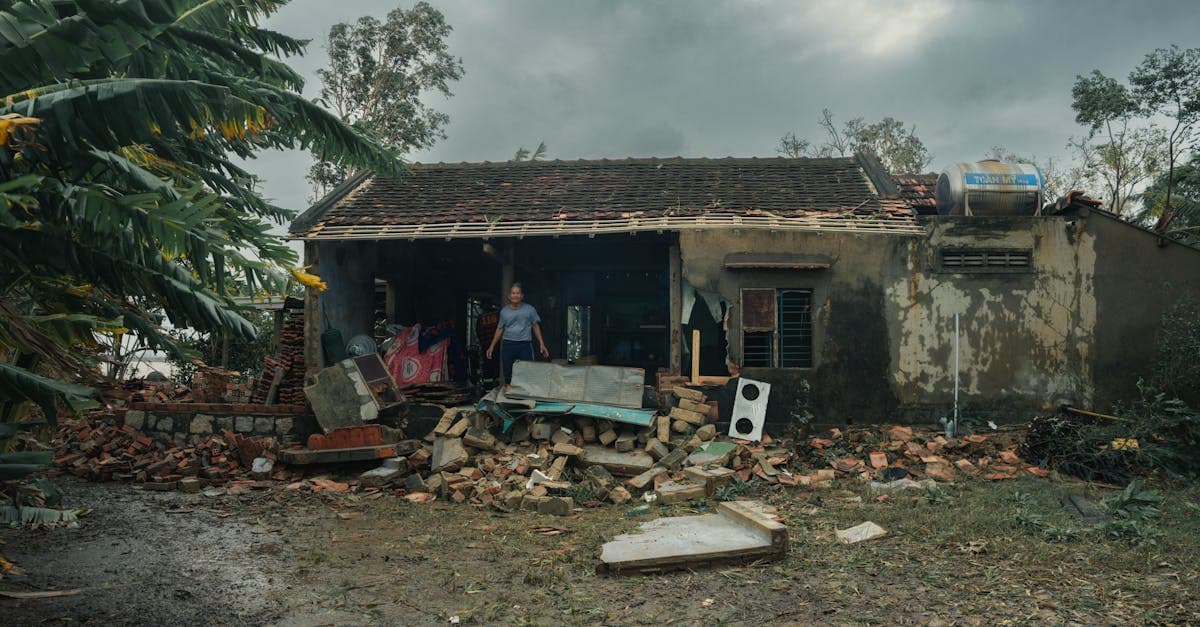
Here is storm damage coverage in thirty seconds: standard homeowners insurance covers damage from wind, hail, lightning, and tornadoes. It does not cover flooding. Your deductible applies to each storm event. If a storm makes your home uninhabitable, loss of use coverage pays for temporary housing.
Now here is why thirty seconds is not enough. Storm damage coverage has critical nuances that affect whether your claim is paid and how much you receive. The difference between wind-driven rain entering through a damaged roof and ground-level flooding entering through a door can determine whether you receive full coverage or nothing. Your deductible for hurricane damage may be a percentage of your home's value rather than a flat dollar amount, costing you thousands more than you expect.
Additionally, your obligation to prevent further damage after a storm is a condition of coverage. Failing to make temporary repairs — like tarping a damaged roof — can give the insurer grounds to reduce your claim for the additional damage that resulted from your inaction.
The matching question is another critical issue. When a storm damages part of your roof or siding, will the insurer pay to match the undamaged portions? The answer varies by policy, by state, and by adjuster, and it can mean the difference between a complete repair and a patchwork result.
This guide walks through every aspect of storm damage coverage so you understand exactly what your policy does when severe weather strikes.
Lightning Strike Damage and Home Insurance
The evidence is clear. Lightning strikes cause an estimated $1 billion in residential damage annually in the United States. Your homeowners insurance covers lightning damage comprehensively, including fire, electrical system damage, and destruction of electronics and appliances.
Direct strike damage: A lightning bolt striking your home can start a fire in the attic or walls, crack masonry, damage roofing materials, and destroy the electrical panel. The concussive force can also cause structural cracking. All of this damage is covered under your dwelling coverage as damage from a named peril.
Power surge damage: Lightning strikes — even those hitting nearby power lines rather than your home directly — can send power surges through your electrical system that destroy computers, televisions, appliances, and HVAC controls. This damage is covered under your personal property coverage for contents and dwelling coverage for built-in systems.
Fire from lightning: If a lightning strike starts a fire in your home, the fire damage is covered under both the lightning and fire provisions of your policy. Fire damage claims from lightning often result in significant payouts because fire can spread through walls and attic spaces before it is detected.
Surge protector impact: While whole-house surge protectors cannot prevent all lightning damage, they can reduce the extent of damage to electronics. Some insurers offer premium discounts for whole-house surge protection. Regardless of surge protectors, your coverage applies fully when lightning causes damage.
Documentation for lightning claims: For lightning damage claims, note the date and approximate time of the strike. If neighbors or local fire departments responded to lightning-related incidents in your area, their reports can corroborate your claim. Photograph all visible damage including burn marks, cracked materials, and damaged electronics.
Filing a Storm Damage Insurance Claim
This brings us to a critical distinction. The storm damage claims process follows specific steps, and moving through them efficiently helps you get repairs completed and your life back to normal as quickly as possible.
Step one — ensure safety: Before thinking about insurance, make sure your family is safe. If structural damage is severe, do not enter the building until it is cleared by professionals. Turn off utilities if you suspect gas leaks or electrical hazards.
Step two — document everything: Once safe, photograph and video-record all damage from multiple angles. Include wide shots showing the overall scope and close-ups of specific damage. Photograph the exterior and interior. Capture damaged personal property. Note the date and time. If possible, photograph conditions during or immediately after the storm to establish causation.
Step three — make temporary repairs: Cover roof breaches, board broken windows, and remove standing water to prevent further damage. Photograph these temporary repairs and keep all receipts. Do not make permanent repairs before the adjuster inspects.
Step four — contact your insurer: Report the claim as soon as possible. Most insurers offer 24-hour claim reporting. Provide basic facts about the storm event and the damage. You will receive a claim number and timeline for adjuster contact.
Step five — work with the adjuster: The assigned adjuster will inspect your property, assess the damage, and prepare an estimate. Be present during the inspection to point out all damage areas. Provide your documentation, photographs, and temporary repair receipts. If damage is extensive, consider hiring a public adjuster to represent your interests.
Step six — review and negotiate: Review the adjuster's estimate carefully. If you believe it is too low, provide contractor estimates that support a higher figure. You have the right to dispute the settlement amount and request re-inspection of missed damage areas. Most storm damage claims are negotiable.
Tornado Damage Coverage Under Homeowners Insurance
This brings us to a critical distinction. Tornadoes represent the pressure cooker of wind and water that can rupture the protective shell of any home at its most extreme. These storms can cause complete destruction of a home in seconds. Your homeowners insurance covers tornado damage comprehensively — including total loss — because tornadoes are classified as a wind event under standard policies.
Total destruction coverage: If a tornado completely destroys your home, your dwelling coverage pays up to your policy limit to rebuild. This is the scenario where adequate dwelling coverage limits matter most. If your rebuilding cost exceeds your dwelling limit, you are responsible for the difference.
Partial tornado damage: More common than total destruction, partial tornado damage includes roof loss, wall collapse, shattered windows, and debris impact damage. All of these are covered under your dwelling coverage. Interior damage from rain entering through tornado-created openings is also covered as consequential damage.
Debris removal: Tornado cleanup can be enormously expensive. Your homeowners policy includes debris removal coverage, typically as an additional amount beyond your dwelling limit. If the debris removal cost exceeds your policy's debris removal provision, the excess comes out of your pocket or your dwelling coverage limit.
Code upgrade requirements: After significant tornado damage, rebuilding must comply with current building codes, which may have changed since your home was originally built. Ordinance or law coverage pays for the additional cost of meeting updated codes. Without this endorsement, you are responsible for the upgrade costs, which can add significantly to the total.
Tornado claim process: After tornado damage, safety is the first priority. Once cleared, document damage extensively before any cleanup. Contact your insurer immediately — after major tornadoes, claim volumes spike and adjuster wait times lengthen. Temporary repairs to prevent further damage are your responsibility and are reimbursable under your policy.
Fallen Trees After Storms: Insurance Coverage
The evidence is clear. Storm-felled trees create some of the most confusing insurance situations because coverage depends on what the tree hit, where it fell from, and whose tree it was. Understanding these rules clarifies what to expect after a storm topples trees on or near your property.
Tree on your house: If a storm blows a tree onto your home, your dwelling coverage pays for the structural damage to your house. This is true regardless of whether the tree came from your property or your neighbor's property. Your insurance covers damage to your home; the tree's origin does not matter.
Tree on other structures: A tree that falls on your fence, shed, or detached garage is covered under your policy's other structures coverage. This coverage typically equals ten percent of your dwelling coverage amount, though you can purchase additional limits.
Tree on your car: Vehicle damage from a fallen tree is covered by your auto insurance comprehensive coverage, not your homeowners policy. If you carry comprehensive on your auto policy, the tree damage to your vehicle is covered minus your auto comprehensive deductible.
Tree removal costs: Your homeowners policy covers tree removal when the fallen tree has damaged a covered structure or is blocking a driveway or accessibility ramp. Most policies include a per-tree removal limit, commonly $500 to $1,000 per tree. If the tree simply fell in your yard without hitting anything, removal is typically your expense unless it blocks access.
Neighbor's tree, your damage: If your neighbor's tree falls on your property due to a storm, your homeowners insurance covers the damage to your structures. You generally cannot hold your neighbor liable for storm damage because storms are considered acts of nature. However, if the tree was dead or diseased and you had previously notified your neighbor, they may have negligence liability.
Building Code Upgrades After Storm Damage
This brings us to a critical distinction. When storm damage requires significant repairs, local building codes may mandate upgrades that bring the repaired portions up to current standards. These code-required upgrades can add substantially to repair costs, and your standard homeowners policy may not fully cover them.
Why code upgrades matter: Building codes evolve continuously to improve safety, energy efficiency, and storm resistance. A home built twenty years ago may have been code-compliant when constructed but no longer meets current requirements. When storm damage triggers major repairs, the building department may require current code compliance for the repaired areas.
Common code upgrades after storms: Roof repairs may require updated underlayment, improved fastening patterns, or higher wind-resistance ratings. Electrical repairs may require updated wiring methods, GFCI outlets, or arc-fault breakers. Structural repairs may require enhanced hurricane strapping, reinforced connections, or improved materials.
Ordinance or law coverage: This endorsement — sometimes included in standard policies, sometimes optional — pays for the additional cost of meeting current building codes during storm damage repairs. Without this endorsement, the insurer pays only to restore your home to its pre-loss condition, and you pay the code upgrade difference.
Coverage limits: Ordinance or law coverage typically provides an additional ten to twenty-five percent of your dwelling coverage limit for code-related costs. If your dwelling coverage is $300,000 and your ordinance coverage is ten percent, you have an additional $30,000 available for code upgrades.
Checking your coverage: Review your policy for ordinance or law provisions before storm season. If this coverage is optional in your state and not currently on your policy, adding it is usually inexpensive relative to the potential cost of mandatory code upgrades after a significant storm event.
Flood Damage vs Storm Damage: The Critical Distinction
The evidence is clear. Understanding the difference between flood damage and storm damage is keeping your recovery plan fresh and ready to serve when storm damage demands immediate action because it determines whether your homeowners insurance pays for water damage or whether you need a separate flood policy. This distinction is the single most important boundary in storm damage coverage.
What your homeowners policy covers: Wind-driven rain that enters through damaged windows, doors, or roof openings is covered storm damage. Water that enters from above — through a breached roof or broken skylight — is covered. The key principle is that a covered peril created the opening through which water entered.
What requires flood insurance: Rising water from any source — storm surge, overflowing rivers, overwhelmed storm drains, saturated ground — is flooding regardless of what caused it. Your homeowners policy excludes this damage. Even if a hurricane's winds caused the ocean to surge into your home, the water damage is classified as flooding. The National Flood Insurance Program and private flood insurers provide this coverage separately.
The overlap zone: Many storm events create both types of damage simultaneously. A hurricane blows off your roof while storm surge floods your first floor. The roof damage and rain entering from above is covered by homeowners insurance. The surge water entering from below is covered only by flood insurance. If you lack flood insurance, the lower-level damage is entirely your responsibility.
Burden of proof: In disputed claims where both wind and water damaged the same areas, determining the cause of specific damage becomes contentious. Generally, you must prove that wind — a covered peril — caused the damage you are claiming. The insurer must prove that flooding — an excluded peril — caused the damage they are denying.
Protecting yourself: The only way to close this coverage gap is to carry both homeowners insurance and flood insurance. In flood-prone areas, this dual coverage is essential. Even outside high-risk flood zones, more than twenty percent of flood claims come from properties in low-to-moderate risk areas.
How Homeowners Insurance Covers Wind Damage
The evidence is clear. Wind damage is one of the most common and clearly covered storm perils under homeowners insurance. Your policy is the sealed container that preserves your financial stability when storms threaten to spoil everything you have built when it comes to wind — it covers damage to your dwelling, other structures, and personal property caused by wind events.
What wind damage includes: Missing or damaged shingles, torn-off siding, broken windows from wind pressure, collapsed fences, toppled trees on structures, and structural damage from sustained high winds are all covered. Wind-driven rain that enters through a storm-created opening is also covered as consequential damage.
The wind-driven rain distinction: This is a critical detail. If wind damages your roof and rain enters through the breach, the resulting water damage to your interior is covered because wind — a covered peril — created the opening. However, if rain seeps through an intact roof due to sheer volume, that may not be covered because no covered peril created the entry point.
Wind deductibles: In many coastal and storm-prone states, policies carry separate wind or named storm deductibles that are higher than the standard all-perils deductible. These are often calculated as a percentage of your dwelling coverage — commonly one to five percent — rather than a flat dollar amount. On a $300,000 home, a two-percent wind deductible means $6,000 out of pocket before coverage kicks in.
Windstorm exclusions: In some high-risk coastal areas, standard homeowners policies exclude wind damage entirely. Homeowners in these areas must purchase separate windstorm coverage through state wind pools or specialized carriers. This is particularly common along the Gulf Coast and parts of the Atlantic seaboard.
Understanding Storm-Related Deductibles
This brings us to a critical distinction. Storm deductibles are among the most complex and financially significant aspects of homeowners insurance. Multiple deductible types may apply depending on the storm event, and the differences can mean thousands of dollars in out-of-pocket costs.
Standard all-perils deductible: This is the flat dollar amount — typically $500 to $2,500 — that applies to most covered losses including standard storm damage. For a typical thunderstorm or hailstorm not classified as a named storm, this deductible applies.
Hurricane deductible: In hurricane-prone states, policies carry a separate hurricane deductible that is typically a percentage of your dwelling coverage amount. Common percentages range from two to five percent. On a $400,000 dwelling, a two-percent hurricane deductible means $8,000 out of pocket — dramatically more than a standard $1,000 deductible.
Named storm deductible: Some policies use a named storm deductible that applies to any storm with a name assigned by the National Weather Service, including tropical storms as well as hurricanes. This broader trigger means the percentage deductible applies to more events than a hurricane-only deductible.
Wind and hail deductible: In some states, particularly in the central United States where hail is frequent, policies carry separate wind and hail deductibles that may be higher than the standard deductible. These can be either flat dollar amounts or percentages of dwelling coverage.
Per-occurrence vs per-season: Most storm deductibles apply per occurrence — each separate storm event triggers its own deductible. If two hurricanes hit your home in one season, you pay the hurricane deductible twice. Some policies offer per-season deductibles where only one deductible applies regardless of how many qualifying storms occur, but these are less common and cost more in premium.
The Strategic Approach to Storm Damage Coverage
The homeowners who recover fastest and most completely from storm damage are the ones who treated their insurance as a strategic tool rather than a passive expense. Their strategy has three components.
First, they understand their coverage before they need it. They know their deductibles, their exclusions, and the specific provisions that apply to different types of storm damage. They have read the relevant sections of their policy and asked their agent about anything unclear.
Second, they prepare their property and their documentation before storm season. They maintain their roof, secure vulnerable areas, and maintain a comprehensive photographic record of their home's condition. When a storm hits, they already have the baseline evidence needed for a strong claim.
Third, they act decisively after damage occurs. They make temporary repairs promptly, document everything thoroughly, and contact their insurer without delay. They understand the claims process and work through it systematically rather than reactively.
This strategic approach does not require expertise — it requires attention. Anyone can review their policy, photograph their home, and understand their deductibles. The payoff for this modest investment of time is dramatically better outcomes when storms test your coverage.
Continue reading

Replacement Cost vs Actual Cash Value: The Quote Difference That Costs Thousands
The difference between replacement cost and actual cash value coverage can mean tens of thousands of dollars in a claim. Identifying which type each quote offers is one of the most important comparisons you can make.

Policy Checkup After a Major Home Renovation: Updating Your Dwelling Coverage
Home renovations increase your dwelling's replacement cost and may add valuable features that need specific coverage. Updating your policy after renovations prevents underinsurance.

How Assignment of Benefits Affects Your Insurance Claim Settlement
When you sign an AOB, you lose direct involvement in the settlement negotiation. The contractor and insurer negotiate the payout, and you may have limited recourse if the result is inadequate.